

BLOG AND NEWS
6 October 2026: The Venue Owner's Guide to New Year's Eve Live Music: How to Fill Your Pub on 31 December
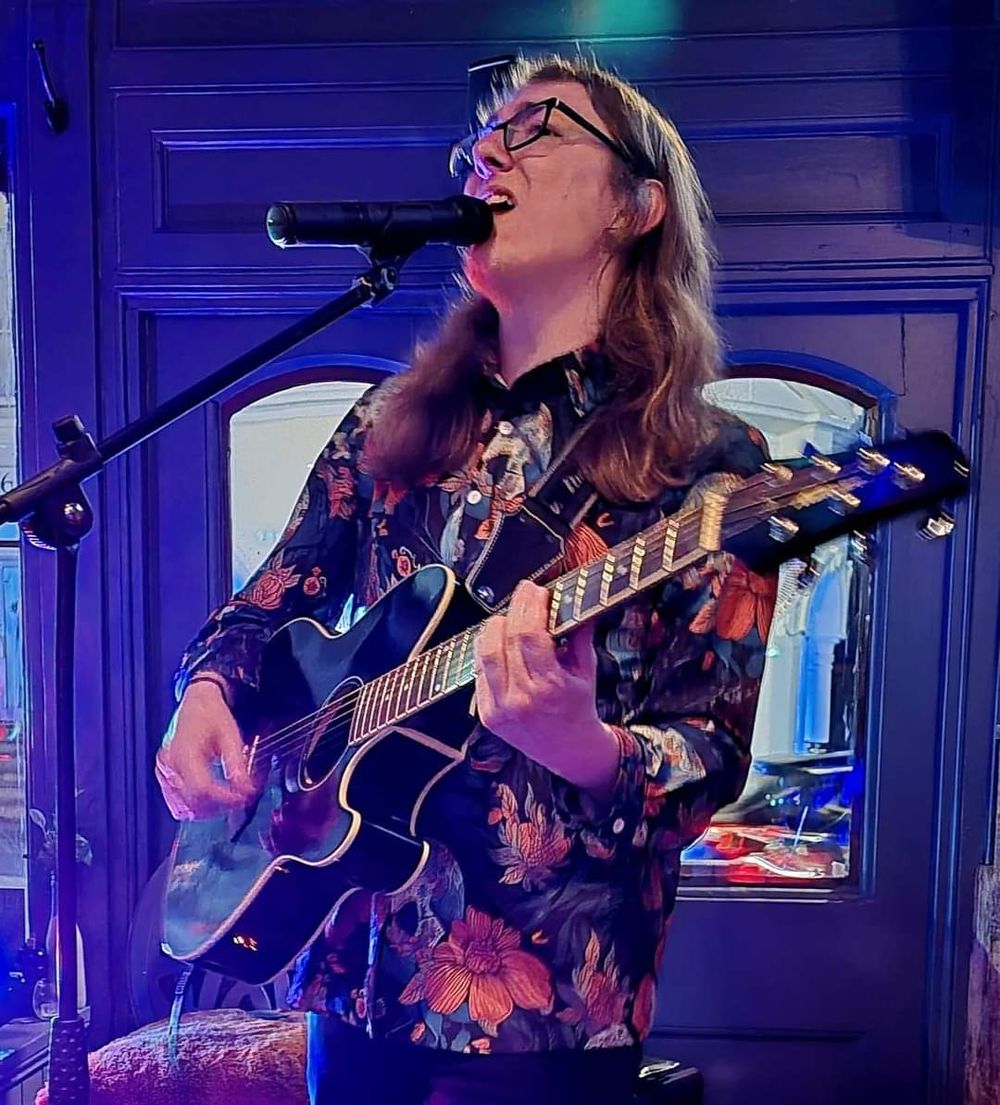
New Year’s Eve live music can help fill your pub, bar or restaurant, but only if the night is planned properly. I have played in venues including The Grasshopper, The Botanist, Run Ashore, Thomas Tripp and The Grove Tavern, and one thing is always clear: success comes from matching the entertainment to the flow of the evening.
Myth: You can sort the music out in December
The truth: the best New Year’s Eve entertainment is usually booked much earlier
If you want strong New Year’s Eve live music for your venue, October and November are the sensible booking months. Leave it until December and you are far more likely to be choosing from what is left, rather than booking the act that genuinely suits your room, your customers and your plans.
That matters because your entertainment affects more than atmosphere. It shapes your promotion, staffing, table bookings and customer expectations.
Free entry or ticketed event?
This is one of the biggest decisions for venue owners, and there is no one-size-fits-all answer.
A free-entry New Year’s Eve event can work well if you want to encourage passing trade and keep the night informal. A ticketed New Year’s Eve event can work better if you want to control numbers, secure commitment in advance and build a clearer offer around reserved tables, food or drinks.
What matters most is clarity. Guests should know exactly what they are getting: whether entry is free or paid, whether tables are reserved, what time the live music starts, and what happens at midnight. If customers have to guess, bookings are harder to win.
The running order matters as much as the performer
Another common mistake is treating live music as something that only matters at midnight. In reality, the whole evening needs shape.
For me, a strong New Year’s Eve pub entertainment plan usually works like this:
- Arrival: warm, familiar live acoustic music that lets people settle in, talk and order drinks
- Build-up: bigger sing-alongs and more energy as the room lifts
- Countdown: a clearly agreed handover into midnight, including who leads it and what happens straight after
- Post-midnight: a final burst of celebration to keep the atmosphere going rather than letting the room drop flat
That countdown point is especially important. Decide in advance how the final song before midnight works, who handles the countdown, and whether you want Auld Lang Syne or another crowd favourite immediately after.
Why a solo singer-guitarist suits New Year’s Eve
A lot of venue owners assume bigger always means better. I do not think that is true.
A solo singer-guitarist for New Year’s Eve often suits the party-to-midnight flow beautifully. The setup is compact, the volume is flexible, and the music can move naturally from background atmosphere during food and early arrivals into lively sing-alongs later on. In pubs and restaurants especially, that balance is valuable. You can keep the evening welcoming at the start without losing the sense of occasion as midnight gets closer.
Promotion and planning still matter
Once your live music is confirmed, promote it early. Your New Year’s Eve venue entertainment offer should be simple: who is performing, whether it is ticketed or free entry, when the night starts, and what guests can expect around the midnight countdown.
If your venue has licensing limits, sound conditions or a late-night cut-off, check those before you finalise the format.
To explore my upcoming shows, hear examples of my music or learn more about my experience in my bio, please visit my website. If you are planning New Year’s Eve live music and want to enquire about availability, you can contact me here.
The main takeaway is simple: book your New Year’s Eve live music early, choose clearly between ticketed and free entry, plan the running order around midnight, and pick entertainment that fits the full flow of the night. A solo singer-guitarist can be an excellent fit for creating that journey from first drink to countdown.
"Live Music Is Only for Weekends". Why Mid-Week Solo Gigs Are a Venue's Best Investment (Debunked)

18 September 2026
For many venues, Friday and Saturday are the obvious nights for live music. The room is busier, customers are already in a celebratory mood, and entertainment feels like a natural part of the weekend.
But that way of thinking can overlook one of the biggest opportunities in hospitality: the quieter mid-week evening.
Tuesday, Wednesday and Thursday do not need to compete with the weekend. They need to offer customers a reason to visit in the first place. A well-planned live music night can help create that reason, bringing people through the door, encouraging them to stay longer and making the venue feel like somewhere worth returning to.
As a solo vocalist and guitarist, I have seen how adaptable live acoustic entertainment can be. It can create atmosphere without overwhelming conversation, suit a relaxed meal or drinks service, and develop into a lively sing-along evening when the audience is ready for it.
With autumn and winter approaching, September is an ideal time for venue owners and managers to plan a mid-week live music schedule.
Myth 1: “Live music only pays off when the venue is already busy”
This is perhaps the most common assumption. If Friday and Saturday are your strongest trading nights, it can seem sensible to concentrate all entertainment there.
The difficulty is that live music on a busy night may simply add atmosphere to customers who were already planning to visit. On a quieter night, it can become the reason they choose your venue.
Research highlighted by Value for Venues found that 78% of customers are more likely to visit a venue when live music is available. That matters particularly on a Wednesday or Thursday, when customers may need an extra prompt to make plans.
A regular mid-week music night can turn an ordinary evening into something people remember:
- A reason to meet friends after work
- A relaxed option for a date night
- A welcoming setting for local customers
- A fresh alternative to staying at home
- A reason for existing customers to choose your venue again
The aim is not necessarily to fill the room instantly. It is to build a reliable habit. When customers begin to associate a particular evening with good food, friendly service and live music, that night can gradually become part of their routine.

Myth 2: “Customers will come for the music, but they will not spend more”
Live music is not only a performance. It is part of the wider customer experience.
When people feel comfortable and engaged, they are more likely to stay for another drink, order dessert, or continue their evening rather than moving on to another venue. The Morning Advertiser has reported that 76% of customers are more likely to buy more drinks when live music is available, while 73% say they are likely to stay longer.
Those figures should not be treated as a guarantee for every venue. Every business has its own audience, pricing and service style. However, they show why live music can be viewed as a commercial tool rather than simply an entertainment cost.
A solo acoustic booking can support this particularly well. It does not require a large stage or a full band setup, and it can be arranged around the natural rhythm of the evening. An early set can welcome diners and after-work visitors, followed by more familiar, upbeat songs as the room becomes livelier.
The right music helps to extend the occasion. Customers are not only buying a drink or a meal; they are buying an enjoyable evening out.
Myth 3: “A solo performer cannot create enough energy”
There is sometimes a belief that a venue needs a full band, large sound system or headline act to make live music worthwhile.
That is not always the case.
A professional vocalist with acoustic guitar can create an atmosphere that feels personal, flexible and engaging. The performance can remain gentle while customers are eating, then become more energetic as the evening develops. Familiar songs invite people to sing along, while a carefully chosen repertoire ensures there is something for everyone to enjoy.
My own setlist covers a broad range of eras and styles:
2010s
Shut Up and Dance – Walk the Moon
2000s
Mr. Brightside – The Killers
Valerie – The Zutons
Teenage Dirtbag – Wheatus
I Believe in a Thing Called Love – The Darkness
1990s
Angels – Robbie Williams
I Don’t Want to Miss a Thing – Aerosmith
1980s
All Night Long – Lionel Richie
Footloose – Kenny Loggins
Summer of ’69 – Bryan Adams
Sweet Child o’ Mine – Guns N’ Roses
It’s a Kind of Magic – Queen
1970s and earlier
Rocket Man – Elton John
Superstition – Stevie Wonder
Suspicious Minds – Elvis Presley
That variety is important for venues serving mixed groups. One table may want a relaxed evening, another may be ready for a sing-along, and another may simply appreciate familiar music in the background. A versatile singing guitarist can respond to the room without changing the entire production.
Myth 4: “Mid-week entertainment is too complicated to organise”
Venue managers already have enough to coordinate, so it is understandable that entertainment can feel like another task on a long list.
However, a solo vocalist and guitarist can often make the process straightforward. There is less equipment, fewer performers to coordinate and more flexibility around timings and room layouts.
A successful mid-week booking should begin with a clear conversation about:
- The best evening for your customers
- Set length and performance times
- Whether the music should be background, interactive or a mixture
- Available space and power requirements
- Any food, drink or promotional offers
- How the event will be advertised
- What success will look like for the venue
For example, a venue could create a simple “Live Music Wednesday” or “Acoustic Thursday” identity, then repeat it throughout the autumn. Consistency gives customers time to discover the event and helps staff become familiar with the format.
I have performed in a range of settings, from pubs and hospitality venues to weddings, birthdays and private celebrations. The flexibility of a solo performance makes it suitable for intimate spaces as well as larger rooms.
Venues including The Grasshopper, The Botanist, Run Ashore, Thomas Tripp and The Grove Tavern each demonstrate the variety of environments where live entertainment can help shape the customer experience.

Myth 5: “Only music fans will attend”
A mid-week live music night does not need to be aimed at dedicated gig-goers.
Most customers are looking for an enjoyable night out, not a technical musical experience. They may come because they like a particular song, because friends have invited them, or because the venue has created a warm and welcoming atmosphere.
This is where familiar repertoire matters. Songs from the 1960s through to the 2010s can appeal to different age groups, while a mixture of pop, rock, country and classic sing-along favourites keeps the evening inclusive.
Live music can also be combined with other activities. At The Botanist, for example, I am bringing live acoustic vocals and guitar into a musical bingo evening. That format gives customers another reason to take part while allowing the music to remain central to the atmosphere.
Other possibilities for a mid-week schedule include:
- Acoustic dining evenings
- Musical bingo
- Early-evening drinks sessions
- Seasonal events
- Local business socials
- Charity evenings
- Music-led quiz nights
- Christmas meal entertainment
The format does not have to be complicated. It simply needs to give people a clear reason to choose your venue.

How to plan an autumn and winter mid-week music schedule
September is a useful planning point. Customers are returning to their usual routines, evenings are becoming more sociable indoors, and many venues are beginning to think about autumn events and Christmas bookings.
A practical starting point is to test a four-week schedule:
- Choose one regular evening, such as Wednesday or Thursday.
- Book a professional vocalist for a consistent time slot.
- Promote each date across social media, your website and in-venue signage.
- Link the music to a simple food or drinks offer where appropriate.
- Track covers, bookings, spend per head and customer feedback.
- Review the results before extending the schedule.
The most useful measures are not only how many people attend. Consider whether customers stay longer, whether tables order more, whether repeat bookings increase and whether the event creates useful social media content.
You can find out more about my repertoire on the music page, read about my background as a solo vocalist and acoustic guitarist, or view upcoming shows and venue events.
The takeaway: quiet nights deserve a reason to be busy
The idea that live music only pays off at the weekend is too narrow.
Friday and Saturday will always be important nights for many venues, but mid-week bookings can have a greater effect because they help create demand where it may not naturally exist. Live music can increase footfall, encourage customers to stay longer and make a venue feel more distinctive.
A solo acoustic performance is also a practical way to begin. It offers professional entertainment, a flexible setup and a broad repertoire without requiring the cost or space of a full production.
As autumn and winter approach, a regular mid-week live music schedule could become one of the most valuable additions to your events calendar. The right vocalist, the right songs and a consistent approach can turn an otherwise quiet evening into one your customers look forward to.
Contact Jonathan Lindop Vocalist to discuss a mid-week live music booking.
"I Can Just Use a Playlist" , Why Live Solo Music Still Wins (Debunked)

10 August 2026
There is a familiar question I hear from venue owners, event planners and private clients:
“Can’t we just use a Spotify playlist?”
The honest answer is yes, sometimes you can. A playlist is affordable, convenient and useful for creating background atmosphere. It has a place at many events.
But if you want guests to feel that they are part of something memorable, live solo music offers something a playlist cannot. It brings a human presence into the room, responds to the mood of the occasion and helps turn an ordinary gathering into a shared experience.
As a solo vocalist and guitarist, I have seen this difference at weddings, birthdays, private celebrations and regular venue performances. From The Grasshopper and The Botanist to Run Ashore, Thomas Tripp and The Grove Tavern, I have experienced how quickly a room can change when live music begins.
So let’s look at some of the most common myths about choosing a playlist instead of live entertainment.
Myth 1: “A playlist creates exactly the same atmosphere”
A carefully chosen playlist can certainly set a mood. It can provide gentle background music during a meal, fill quiet moments between activities or keep things moving while guests arrive.
However, recorded music generally stays the same regardless of what is happening in the room. It cannot notice that guests are becoming more energetic, respond when people begin singing along or adjust the pace when the atmosphere needs a lift.
A live musician can do all of those things.
When I perform, I am not simply playing one song after another. I am watching the room and listening to the audience. If people are enjoying familiar sing-along classics, I can continue in that direction. If the mood is relaxed, I can keep the performance warm and unobtrusive. If the evening begins to build, I can raise the energy with songs that encourage people to join in.
That flexibility matters.
The UK music licensing organisation PPL PRS has reported that 60% of customers feel there is no atmosphere without music. Music clearly has an important role in hospitality, but live performance adds another layer: the visual presence of the musician, the sound of a real voice and the sense that something is happening in front of you.
At The Grasshopper, for example, my solo acoustic sets are designed to help guests ease into the weekend. People can enjoy a drink and conversation, but they also have the option to listen, request a favourite or sing along. The music becomes part of the venue experience rather than simply something playing in the background.

Myth 2: “Guests will not pay attention to a solo performer”
Some people assume that live entertainment must mean a large band, a stage and a dance floor. That is not always the case.
A solo vocalist and guitarist can create an atmosphere that feels personal without overwhelming the occasion. The performance can sit comfortably alongside conversation, food and drinks while still giving guests something to focus on.
That balance is one of the strengths of solo acoustic entertainment.
I can perform a wide range of songs across different generations and styles, including pop, rock, country and well-known favourites from the 1960s through to the 2010s. A set might include:
- “Suspicious Minds” – Elvis Presley
- “Rocket Man” – Elton John
- “Summer of ’69” – Bryan Adams
- “All Night Long” – Lionel Richie
- “Mr. Brightside” – The Killers
- “Valerie” – The Zutons
- “Shut Up and Dance” – Walk the Moon
That variety gives different guests a reason to engage. One person may recognise a song from their youth, while someone else discovers a favourite they had not heard for years. There is something for everyone to enjoy.
Live music also creates small moments of connection. A guest may request a song, join in with a chorus or mention a performance they particularly enjoyed. At a private birthday celebration, I was even asked to accompany a guest singing Kate Bush. Those moments are not planned in a playlist, but they often become the parts people remember most.
At The Botanist, I have also brought live music into a Musical Bingo evening, where songs became part of the activity itself. That is a good example of how a live performer can support more than background atmosphere. Music can help guests participate, compete, celebrate and connect with one another.
Myth 3: “A playlist is better value because it costs less”
This is the most reasonable argument for a playlist. A playlist is usually cheaper than hiring a performer, particularly once equipment and music licensing are already in place.
However, cost and value are not always the same thing.
For a venue owner, the important question is not simply, “What is the cheapest way to play music?” It is:
“What will make guests want to stay, spend and return?”
Live music can contribute to that in several ways:
- It gives customers a reason to visit at a particular time.
- It can encourage guests to stay longer.
- It creates a stronger sense of occasion.
- It helps a venue stand out from competitors.
- It provides a memorable experience that guests may recommend to others.
- It can support themed nights, celebrations and seasonal events.
There is no responsible way to promise a fixed increase in customer spending from live music. Results depend on the venue, the audience, the timing and the type of event. But it is reasonable to expect that an engaging live performance can increase dwell time and perceived value, especially in pubs, bars, restaurants and hospitality venues where the experience matters as much as the product.
A playlist may help maintain an atmosphere. A live performer can help make the evening itself the reason customers came.
For private clients, the value is slightly different. You may not be measuring drinks sold or tables filled, but you are investing in the memories your guests take away. A live performance can make a hen party, wedding, birthday or family gathering feel more individual and more closely connected to the people in the room.

Myth 4: “Live music will be too loud or disruptive”
This concern is understandable, especially for restaurants, lounges and venues where people need to talk.
Good live entertainment is not about being as loud as possible. It is about choosing the right style, volume and repertoire for the setting.
A solo acoustic performance can be adapted to suit the occasion. For a drinks reception, the music might be relaxed and conversational. For a birthday party, the set can become more energetic as the evening develops. For a pub or bar, familiar songs can encourage participation without requiring a full band setup.
Because I perform as a solo vocalist and guitarist, I can also work in spaces where a larger act may not be practical. The equipment footprint is relatively compact, and the performance can be shaped around the room rather than forcing the room to accommodate a large production.
This is particularly useful for venues that want regular live entertainment but still need to protect the dining experience and customer conversation.
Myth 5: “A playlist gives you more choice”
In one sense, this is true. A streaming service can offer access to thousands of songs, while a live performer has to work within a prepared repertoire.
But having more songs does not automatically create a better experience.
A successful event is rarely about hearing every possible style. It is about hearing the right songs at the right time. A live musician brings judgement, pacing and interpretation to that choice.
My own song list covers a broad mix of decades and genres, from Queen, Elton John and Stevie Wonder to Robbie Williams, McFly, The Killers and Arctic Monkeys. I can tailor the balance to suit the audience, the venue and the purpose of the event.
There is also a difference between hearing a familiar recording and hearing it performed live in the room. The arrangement may be more intimate, energetic or unexpected. That slight difference gives the song a new place in the memory.
The best answer may be a combination
This is not an argument for removing playlists altogether.
A playlist can work well when guests are arriving, during breaks or after a live set has finished. It can provide continuity while the performer is setting up or taking a short rest. For some daytime events and quieter parts of the evening, recorded music may be exactly what is needed.
The strongest approach is often a thoughtful combination:
- Use a playlist for arrival music and background sections.
- Bring in live entertainment during the main part of the event.
- Use the performer to build energy around key moments.
- Return to a playlist between sets or after the performance.
This gives you the convenience of recorded music while preserving the connection and atmosphere that live performance provides.
If you are considering live music for a wedding, party, venue or private function, you can find out more about my live solo performances, read about my musical background, view photographs from performances or contact me to discuss your plans.
Final takeaway
A playlist is convenient, flexible and useful. But it is still only a recording playing in the background.
Live solo music responds to the room, gives guests something to share and helps create an atmosphere they can remember. It can support customer engagement, encourage people to stay longer and give a venue or private celebration its own character.
So, can you just use a playlist? Yes.
But if you want your guests to feel welcomed, involved and part of a real occasion, live music still wins.
Looking For Live Music? Here Are 10 Things You Should Know About 2026 Booking

Tuesday, 23 of June 2026
Music has always been the heartbeat of my life. From the first time I picked up a guitar to the hundreds of stages I’ve been lucky enough to stand on since, I’ve seen how a single song can shift the entire energy of a room. It’s a journey I feel incredibly grateful to continue every day, especially as we navigate the vibrant and busy live music scene of 2026.
Whether you’re planning a wedding, a milestone birthday, or looking to bring some life into a venue, booking entertainment has changed quite a bit over the last few years. The demand for that authentic, "unplugged" feel is higher than ever. As someone who spends most nights performing at wonderful spots like The Botanist and The Grasshopper, I’ve put together this guide to help you navigate the 10 most important things to know when booking live music this year.
1. The Early Bird Really Does Get the Date
In 2026, the calendar fills up faster than we ever expected. The "return to live events" we saw a few years ago hasn't slowed down; it’s actually accelerated. For popular Saturdays in the summer months, many of us are being booked 18 to 24 months in advance.
If you have a specific date in mind for a wedding or a private function, my best advice is to reach out the moment your venue is confirmed. It’s always a little heartbreaking to say "no" to a great event because the date was snapped up just a few days prior.
2. The Rise of the Versatile Soloist
While a full five-piece band is fantastic for a big stage, 2026 has seen a massive shift toward solo acoustic performers. Why? It’s partly about the intimacy and partly about the flexibility. A solo singing guitarist can tucked into a corner at Run Ashore or take center stage at The Grove Tavern without requiring a massive stage or a complicated soundcheck.
Soloists offer a "full" sound through clever use of technology and technique, providing a high-impact atmosphere that fits into almost any budget or floor plan.
 A vintage inspiration for a modern sound.
3. Understanding 2026 Pricing
I believe in being open and honest about the costs involved in live entertainment. Currently, in the UK, a professional solo musician for a ceremony or drinks reception typically ranges between £350 and £450. This reflects not just the hour or two of playing, but the years of practice, the high-quality equipment, the travel, and the administrative time spent tailoring a setlist just for you.
When you see a quote, remember it usually includes:
- Professional-grade PA system and lighting.
- Public Liability Insurance (PLI).
- Travel and setup time.
- Learning specific song requests to make your moment unique.
4. Matching the Music to the Venue
Every venue has its own unique "soul." When I perform at The Botanist, the vibe often leans toward a sophisticated, upbeat energy that complements the botanical surroundings. Conversely, a night at Thomas Tripp might call for something a bit more raw and classic.
When booking, consider how the music will interact with the space. Is it a high-ceilinged hall or a cozy, low-lit pub? I always enjoy discussing the "feel" of a venue with clients to ensure my performance enhances the architecture and the mood of the room.
5. Repertoire: Something for Everyone
One of my favorite parts of this job is the sheer variety of music I get to play. In 2026, audiences are incredibly eclectic. They want to hear the songs they grew up with, alongside the hits they’re hearing on the radio today. To keep everyone happy, I focus on a broad range of styles.
When you look at a repertoire, look for depth. Here is a small glimpse into the eras I typically cover:
The Classics (60s & 70s)
- The Beatles
- Fleetwood Mac
- Elton John
- Queen
The Anthems (80s & 90s)
- Oasis
- The Cure
- George Michael
- U2
The Modern Era (00s to Today)
- Ed Sheeran
- George Ezra
- Harry Styles
- The Killers
Grouping music this way ensures that from your youngest nephew to your grandmother, everyone feels included in the journey. You can explore more of my Music here.
 Planning ahead is the key to a stress-free event.
6. The "Boring" But Essential Paperwork
It isn't the most glamorous part of the music industry, but it's one of the most important. Most established venues, including The Grasshopper and The Grove Tavern, strictly require musicians to have up-to-date Public Liability Insurance (PLI) and PAT Testing (Portable Appliance Testing) for all electrical equipment.
Before you sign a contract, ensure your performer has these documents ready to go. It protects you, the venue, and the guests, and it's a hallmark of a professional who takes their craft seriously.
7. Sound Logistics: PA and Space
You don’t need a stadium-sized stage for great live music. However, a soloist does need a small, dedicated area, usually about 2m x 2m, and access to a reliable power outlet.
In 2026, the technology we use (like compact, high-fidelity column speakers) allows us to provide crystal-clear sound that carries well without being "deafening" for those sitting nearby. This is perfect for venues where conversation is just as important as the music.
8. The Importance of a "Vibe Check"
I always encourage potential clients to see a live performance before booking if they can. There is a "human" element to live music that a recorded demo just can't quite capture. It’s about how the performer interacts with the crowd and reads the room.
I regularly play at local venues, and you can always find my upcoming dates on my Shows page. Come down to Run Ashore or The Botanist, say hello, and see if the style matches what you’re looking for.
9. Customization and Special Requests
A wedding or a 50th birthday party is a deeply personal event. In 2026, the "standard" setlist is a thing of the past. I love it when clients ask for a specific song for their first dance or a track that has a special meaning to their family.
While I have a large repertoire ready to go, learning one or two bespoke songs for your event is something I take great pride in. It’s those small, personalized touches that people remember years later.
10. Communication and Trust
Finally, the most important part of any booking is the relationship between the host and the artist. I aim to be more than just a "supplier." I want to be a partner in making your event a success.
Clear communication: from the initial inquiry on my Contact page to the final song of the night: is what ensures a stress-free experience. If you’re unsure about something, just ask. Whether it's about volume levels or where the best spot for the speakers might be, I’m here to help.
 Creating a mood that lingers long after the last note.
Summary & Takeaway
Booking live music in 2026 is all about balance: balancing your budget with your vision, and balancing early planning with personal connection. By focusing on versatile soloists, checking for professional credentials, and ensuring your artist has a broad, cross-generational repertoire, you’re setting the stage for an unforgettable event.
Key Takeaways:
- Book early: Aim for 12-18 months in advance for peak dates.
- Professionalism matters: Ensure your artist has PLI and PAT testing.
- See them live: Visit a regular gig at venues like The Botanist to get a feel for the performance.
- Personalize: Don't be afraid to ask for that one special song that means everything to you.
I've been lucky enough to turn my passion for music into a career that brings me to some of the best venues in the region. If you're looking for someone who cares as much about the atmosphere of your event as you do, I’d love to hear from you.
Monday, 18 of May 2026
25 Creative Acoustic Cover Ideas to Surprise Your Guests
![[HERO] 25 Creative Acoustic Cover Ideas to Surprise Your Guests](https://cdn.marblism.com/WgUmKD4yYB8.webp)
There is a very specific moment that happens during a live set that I absolutely live for. It’s that split second when a guest at a wedding or a corporate event stops mid-sentence, tilts their head, and smiles because they’ve just realised the song I’m playing is a stripped-back, acoustic version of a track they’d usually expect to hear in a neon-lit nightclub or a packed stadium.
As a solo vocalist and guitarist, my goal isn't just to provide "background music." It’s to create a unique atmosphere that feels personal and memorable. While there will always be a place for the classics, and believe me, I love a bit of "Wonderwall" as much as the next man, there is something incredibly powerful about the "creative cover." It’s about taking a song that everyone knows and reimagining it in a way that highlights the melody, the lyrics, and the emotion in a fresh light.
If you are currently planning an event and want to move away from the "standard" playlist, here are 25 creative acoustic cover ideas that I’ve found consistently surprise and delight audiences.
The "Genre Benders": From Dancefloor to Intimate
Taking a high-energy dance or pop track and slowing it down can completely change the vibe of a room. It turns a "party" song into a conversation piece.
1. "Thriller" – Michael Jackson Most people expect the synthesizers and the iconic bassline. When played on an acoustic guitar with a bit of percussive tapping on the wood, it becomes a haunting, rhythmic masterpiece that grabs everyone’s attention.
2. "Hey Ya!" – Outkast In its original form, it’s a high-octane pop-rap hit. Stripped back, it reveals its surprisingly melancholic lyrics. It’s a great way to bridge the gap between generations.
3. "Africa" – Toto This is a crowd favourite, but doing it solo requires a bit of clever loop pedal work to get those harmonies and that driving rhythm just right. It’s always a winner.
4. "Hot Stuff" – Donna Summer Transforming a disco anthem into a bluesy, acoustic shuffle is one of my favourite ways to kick off a cocktail hour. It’s familiar enough to hum along to, but different enough to feel sophisticated.
5. "Staying Alive" – Bee Gees Forget the falsetto for a second. If you play this as a slow, soulful folk track, it becomes incredibly cool. It’s the ultimate "wait, is this...?" moment for guests.

Rock Gods Unplugged
Rock anthems are built on energy and volume, but their core is often a very strong melody. Bringing these down to just a voice and six strings can be incredibly moving.
6. "Bohemian Rhapsody" – Queen It’s a bold choice for a solo performer, but that’s why it works. Navigating the operatic sections with just an acoustic guitar shows a level of dedication to the craft that guests really appreciate.
7. "Won’t Get Fooled Again" – The Who Removing the screaming synthesizers and focusing on the raw power of the guitar chords creates a grit that works perfectly for afternoon drinks in a rustic barn or a modern urban venue.
8. "Wish You Were Here" – Pink Floyd A bit more traditional, perhaps, but it’s a song that holds a lot of nostalgia. It creates a moment of genuine connection in the room. You can check out some of my previous performances of classics like this on my shows page.
9. "Over the Hills and Far Away" – Led Zeppelin This track was almost made for the acoustic guitar. It allows for a bit of technical flair while maintaining a very laid-back, "classic" feel.
10. "All The Young Dudes" – Mott the Hoople A great singalong that doesn't feel cheesy. It’s got that anthemic quality that brings people together without needing a full drum kit behind it.
11. "Burning Down the House" – Talking Heads This is all about the rhythm. Using the body of the guitar as a drum, you can recreate the funkiness of David Byrne’s classic in a way that feels modern and edgy.
Modern Hits with a Twist
Sometimes, the best way to surprise younger guests while keeping the older generation happy is to take a modern chart-topper and "classic-ify" it.
12. "Wrecking Ball" – Miley Cyrus When you take away the heavy production, this is a beautiful, powerful ballad. It’s often a highlight of my sets for private functions.
13. "Cheerleader" – OMI The original has a very specific tropical house vibe. Reimagining it as a light, Jack Johnson-style acoustic track makes it perfect for a summer wedding breakfast or an outdoor garden party.
14. "I Believe in a Thing Called Love" – The Darkness This is pure fun. It’s high-energy and slightly ridiculous, but in an acoustic setting, the sheer catchiness of the chorus takes over.
15. "Free Fallin’" – Tom Petty While technically a classic, John Mayer’s famous acoustic version proved that this song is a masterclass in simplicity. It’s a staple for a reason, it just works.

The "Deep Cuts" and Indie Gems
For event planners looking to create a "cool" or "alternative" atmosphere, these tracks offer something a little more sophisticated.
16. "Where Is My Mind" – The Pixies This is a fantastic song for using a loop pedal. I can layer the iconic "oooh-oooh" vocals and the haunting guitar riff to create a soundscape that feels much larger than one person.
17. "Teardrop" – Massive Attack Most people know this as the House theme tune, but as an acoustic piece, it’s intricate and mesmerizing. It’s perfect for creating a chill-out vibe during a transition period of an event.
18. "Hide and Seek" – Imogen Heap Using vocal effects to mimic the original’s vocoder sound while playing a simple guitar accompaniment is always a "wow" moment. It’s experimental but accessible.
19. "Crazy" – Gnarls Barkley A soulful, slowed-down version of this song allows the listener to really hear the lyrics. It’s a great example of how a "pop" song can become a piece of art.
20. "Home" – Edward Sharpe & The Magnetic Zeros This is pure joy. It’s whistling, stomping, and clapping. It’s a great way to lift the mood if things are feeling a bit too formal.
Soul and Timeless Singalongs
Finally, you need those songs that everyone: from your five-year-old niece to your eighty-year-old grandfather: can enjoy.
21. "Tracks of My Tears" – Smokey Robinson Soul music translates beautifully to the acoustic guitar. It’s all about the emotion in the vocal, which is something I take great pride in delivering. You can read more about my musical journey and my approach to soul on my bio page.
22. "Sympathy for the Devil" – The Rolling Stones Doing the "woo-woo" backing vocals with a loop pedal while keeping that driving rhythm on the guitar is a great way to get people’s toes tapping.
23. "I’m a Believer" – The Monkees It’s impossible not to smile when this song starts. It’s a universal "feel-good" track that works in almost any setting.
24. "She’s Not There" – The Zombies A bit of 60s cool. The minor-key vibe of this song makes for a very stylish acoustic cover that feels both vintage and fresh.
25. "Layla" – Eric Clapton Whether doing the high-energy "Derek and the Dominos" version or the famous "Unplugged" version, this is a guitar lover’s dream. It’s the perfect way to round out a set.

Why Choosing the Right Covers Matters
When you’re organizing a private function or a wedding, the music acts as the "glue" for the day. A creative cover does more than just fill the silence; it starts conversations. It’s a talking point. I’ve often had guests come up to me after a set specifically to ask about a certain arrangement or to tell me they never realized they liked a particular song until they heard it played this way.
My approach is always about versatility. I want to make sure there is something for everyone to enjoy, whether that’s a 90s indie hit reimagined or a Motown classic stripped to its bones. You can see some of the variety I offer by browsing my photos and videos.
Summary & Takeaways
To make your event truly stand out, consider these tips when discussing the setlist with your live performer:
- Contrast is Key: Look for songs that are normally very "electronic" or "heavy" and ask for an acoustic version. The contrast is what creates the surprise.
- Vibe over Volume: Sometimes a quiet, intimate version of a loud song is more impactful than the original.
- Know Your Audience: Mix high-energy reimagined hits with soulful, melodic tracks to keep the energy balanced.
- Use Technology: Don't be afraid of performers who use loop pedals: they can create a full, rich sound that still feels "live" and organic.
Music has always been an integral part of my life, and being able to share these creative interpretations with audiences is what drives me. If you’re looking to build the perfect soundtrack for your next event and want to include some of these creative ideas, I’d love to help. Feel free to reach out to me via my contact page and we can start planning something special.
For more tips on planning your event music, check out my other blog posts. Let's make your next event sound exactly how you've always imagined, and then some.
Monday, 11 of May 2026
The Ultimate Guide to Daytime Live Music: Everything You Need to Create the Perfect Vibe
![[HERO] The Ultimate Guide to Daytime Live Music: Everything You Need to Create the Perfect Vibe](https://cdn.marblism.com/OIRaz3OQdDF.webp)
There is something inherently special about live music played under the open sky or in the soft glow of a Sunday afternoon. For many years, the world of the professional vocalist was confined to the late-night hours: smoky bars, dimly lit clubs, and the high-energy rush of a midnight encore. While I still love the electricity of a night-time show, I have found a profound and steady joy in the growing trend of daytime live music.
Whether it is a garden party, a brewery "Sunday Session," a wedding drinks reception, or a community festival, daytime performances offer a unique atmosphere that evening events often lack. It is a more intimate, connected experience where the music doesn't just fill the room: it enhances the sunlight. As Jonathan Lindop Vocalist, I have been fortunate enough to perform in a wide variety of these settings, and I’ve learned that creating the perfect daytime vibe requires a thoughtful blend of logistics, repertoire, and a genuine connection with the audience.
The Shift Toward Daylight
In recent years, I have noticed a significant shift in how people want to consume live entertainment. Perhaps it is a collective desire for more relaxed, family-friendly environments, or maybe it’s just the simple pleasure of enjoying a cold drink with a soundtrack that doesn’t require shouting over the speakers. Whatever the reason, daytime live music has become a staple of the hospitality and events industry.
For a venue or an event organiser, the goal of daytime music is often different from an evening gig. At night, you want people on the dance floor. During the day, you want them to stay longer, enjoy their surroundings, and feel a sense of well-being. It is about creating an environment where the music feels like a part of the landscape.

Choosing the Right Venue and Space
The success of a daytime event starts with the setting. In my experience, the best daytime gigs happen in spaces that embrace natural light and the outdoors. Patios, beer gardens, and glass-fronted bistros are ideal. However, these spaces come with their own set of challenges.
When I am setting up for a performance, I always consider the sun's path. It sounds like a small detail, but if the musician is squinting into the sun or the audience is baking in direct heat without shade, the "perfect vibe" can quickly disappear. Providing a covered area for the performer and comfortable, shaded seating for guests is essential.
Acoustics also change during the day. In an outdoor setting, sound doesn’t have walls to bounce off, which means the equipment needs to be high-quality and the levels need to be meticulously balanced. I pride myself on using professional-grade gear that ensures my vocals and guitar are crisp and clear, even in an open garden. You can learn more about my background and approach to these setups on my bio page.
Curating the Daytime Setlist
The music you choose for a Saturday afternoon should feel different from a Friday night. It’s about a gradual build. I often start with more mellow, soulful tracks that allow people to talk and settle in. As the afternoon progresses and the atmosphere warms up, I slowly increase the tempo and energy.
One of the things I value most in my career is versatility. I believe that a great daytime set should have "something for everyone to enjoy." My repertoire spans several decades, allowing me to tailor the music to the specific crowd in front of me. Whether it's a nostalgic classic or a modern hit, the goal is to evoke a feeling of shared enjoyment.
Here is a glimpse into the variety I typically bring to a daytime session:
The 1950s & 60s
- Stand By Me
- Brown Eyed Girl
- (Sittin' On) The Dock of the Bay
- Fly Me to the Moon
The 1970s & 80s
- Rocket Man
- Lovely Day
- Everywhere
- Africa
The 1990s to Modern Day
- Wonderwall
- Better Together
- Shotgun
- Perfect
By keeping the list straightforward and familiar, I can create a sense of comfort. You can listen to some of these styles in action on my music page.

The Logistics of Daylight: Gear and Preparation
Performing during the day, especially outdoors, requires a different level of preparation. Based on my years of experience, here are a few things I always keep in my "daytime kit":
- Power Supply: Never assume a garden has a nearby outlet. I always check power distances in advance to ensure I have the right extensions and safety covers.
- Sound Levels: During the day, people often want to chat while they listen. I make sure my sound is present and warm but never overwhelming. It should be a backdrop that occasionally moves to the foreground.
- Weather Contingencies: In England, we are at the mercy of the elements. I always discuss a "Plan B" with event organisers. If the clouds roll in, where do we move to?
- Personal Comfort: As the search results suggested, daytime temperatures can fluctuate. I stay professional but ensure my attire is suitable for the weather, allowing me to focus entirely on the performance.
Enhancing Guest Experience and Bar Spend
For venue owners, live music is an investment. A well-placed solo vocalist can significantly increase the "dwell time" of guests. If a customer is enjoying a live set, they are more likely to order that second round of drinks or a dessert.
Daytime music creates a "destination" feel. It turns a standard pub lunch into an event. I’ve seen firsthand how a relaxed acoustic set can transform a quiet patio into a vibrant hub of activity. It’s not just about the songs; it’s about the atmosphere that encourages people to relax and linger.

Creating an Intimate Connection
The beauty of being a solo vocalist is the ability to interact with the audience on a personal level. In the daytime, the barrier between the "stage" and the audience is thinner. I love being able to read the room: seeing a couple share a dance by their table or noticing a child's eyes light up at a familiar tune.
These moments are why I do what I do. My passion for music is rooted in the way it connects us. I don’t just show up and play; I aim to be a part of the day’s story. Whether it’s a milestone birthday or a simple afternoon in the sun, I want the music to be a highlight that people remember fondly.
Tips for Booking the Perfect Daytime Act
If you are planning an event or managing a venue, here are a few things to consider when booking live music for the daytime:
- Look for Versatility: Choose a performer who can handle everything from chill acoustic vibes to upbeat singalongs.
- Check Their Experience: A performer who is comfortable in daytime settings will understand the nuances of sound and audience engagement during those hours.
- Communication is Key: Be clear about the vibe you want to achieve. Is it a "chill-out" session or a lively celebration?
- Plan the Timing: Usually, two 45-minute sets or two 60-minute sets work perfectly for a daytime slot, allowing for natural breaks in the afternoon flow.
If you’re looking to add that special touch to your next daytime event, I’d love to hear from you. You can check out my upcoming dates on the shows page or get in touch directly via my contact page.

Summary and Key Takeaways
Daytime live music is more than just a trend; it is a way to create lasting memories and a welcoming atmosphere for everyone. To get it right, remember these key points:
- Prioritise Comfort: Ensure both the audience and the performer have shade and a clear view.
- Set the Mood: Start slow and build the energy as the afternoon unfolds.
- Focus on Quality: High-quality sound equipment is essential for outdoor and open-air performances.
- Choose Versatility: A broad repertoire ensures all age groups feel included and entertained.
- Invest in the Vibe: Live music increases guest satisfaction and encourages them to stay longer at your venue.
Music has been an integral part of my life for as long as I can remember, and sharing it during the beautiful hours of the day is a privilege I never take for granted. I look forward to seeing you at a show soon and helping you create the perfect daytime vibe.
Sunday, 19 of April 2026
Gig Bags & Guitar Strings: A peek into the prep that goes into every solo performance
![[HERO] Gig Bags & Guitar Strings: A peek into the prep that goes into every solo performance](https://cdn.marblism.com/vaQP8SF_vdG.webp)
There is a specific kind of silence that happens about two hours before a gig starts. It’s that quiet moment in a venue, perhaps a sun-drenched corner of The Grasshopper or the rustic, botanical charm of The Botanist, where the chairs are still tucked in, the staff are doing their final polished laps of the tables, and the air is thick with anticipation. For most people, the music "starts" when I strike the first chord and say hello. But for me, the performance starts long before I even leave my front door.
I’ve always believed that a truly professional performance is built on a foundation of invisible work. When you see a solo musician and think, "He makes it look easy," that’s usually because he’s spent several hours making sure nothing can go wrong. Today, I wanted to pull back the curtain a little and share what actually goes into the "prep" phase of being a solo vocalist and guitarist. It’s a mix of logistics, technical checklists, and a fair bit of mental gear-shifting.
The Anatomy of the Gig Bag
If you were to peek into my gig bag on any given Sunday, you’d see what looks like a controlled explosion of black cables and silver hardware. But there’s a method to the madness. My gig bag is my lifeline; it’s the portable office that ensures the show goes on, no matter what.
The most important rule I live by is: Two is one, and one is none.
This means I never carry just one of anything. I have my primary XLR cables for the microphone and high-quality shielded cables for my guitar, but tucked away in the side pockets are the "just in case" spares. I’ve performed at enough venues to know that a cable can decide to quit for no reason at all, right in the middle of a chorus. Having that backup ready to go within seconds is the difference between a minor hiccup and a professional disaster.

Beyond cables, the gig bag holds the "emergency kit." This includes:
- Capos: I usually carry three. They have a habit of wandering off if you aren't looking.
- Picks: Dozens of them. They are the only objects in the universe capable of disappearing into another dimension the moment you drop them.
- Batteries: Even though most of my gear is wired, you’d be surprised how often a 9V battery is the only thing standing between a beautiful acoustic tone and total silence.
- Tools: A small multi-tool and a string winder. If a tuning peg gets loose or a bridge pin gets stubborn, I need to be able to fix it there and then.
The Holy Grail: Guitar Strings
Let’s talk about strings. To a listener, a string is just a string. But to a performer, it’s the bridge between my fingers and your ears. I’m incredibly meticulous about my strings.
There is a school of thought that says you should change your strings every single gig. Personally, I like them to "settle" for a day so they stay in tune better, but I never go more than a couple of shows without a fresh set. There’s a brightness and a resonance in a fresh set of phosphor bronze strings that you just can’t replicate. It makes the guitar feel alive, and that energy translates to the audience.
However, strings are fickle. As I’ve learned through years of playing, the higher strings: the E, B, and G: are the most likely to snap under the heat of a high-energy set. I always keep at least two full spare sets in my bag, plus extra "single" high E strings. If a string breaks at a venue like The Botanist, I’ve practiced changing it so quickly that most people in the back of the room won't even notice I've stopped. It’s all about maintaining that flow.
The Technical Ritual: Sound and Space
Every venue has its own "voice." A cavernous room with high ceilings sounds entirely different from a cozy, carpeted lounge. Part of my preparation involves researching the space I’m playing in.
When I arrive at a venue like The Grasshopper, the first thing I do isn’t unpack the guitar; it’s "read" the room. Where are the speakers going? How is the sound going to bounce off those windows? Where is the audience going to be sitting?

The setup usually takes about 45 minutes to an hour. This isn’t just plugging things in; it’s the soundcheck. I play a few bars of a mellow song, then something with a bit more "welly" to see how the PA handles the peaks. I walk around the room with a wireless setup (if the space allows) to make sure the volume is consistent. You want the music to be a warm blanket that wraps around the conversation, not a wall that people have to shout over. Achieving that balance is a point of pride for me.
Mental Setlists and Reading the Room
The final piece of the puzzle isn't something I can pack in a bag. It’s the mental preparation.
While I have a huge repertoire of songs ranging from the 60s to the modern day, I rarely stick to a rigid, pre-written setlist. My "prep" involves refreshing my memory on a wide variety of tracks so I can pivot at a moment's notice.
If I notice the crowd at a wedding is leaning towards a bit of 90s nostalgia, I’ll slide into some Oasis or Crowded House. If the vibe is more "Sunday afternoon coffee," I’ll keep it soulful and acoustic with some Bill Withers or Van Morrison. This versatility is what I love most about being a solo performer. It’s about being a part of the event’s DNA, not just an outsider playing "at" people.

Before I step onto the "stage" (which is often just a cleared corner of a beautiful bar), I take five minutes to myself. I check my tuning one last time, have a sip of water, and remind myself why I do this. It’s about the connection. Whether it’s a foot tapping under a table or someone coming up to say a particular song reminded them of a special memory, that’s the goal.
The Logistical Dance
Of course, there’s the unglamorous side too. Loading the car, navigating traffic, finding the loading bay, and ensuring I’m set up and sound-checked well before the first guest arrives. Reliability is just as important as musicality. In the world of live entertainment, being "on time" actually means being thirty minutes early.
This logistical discipline ensures that when the client or the venue manager looks over at me, they aren't seeing a stressed musician fumbling with wires. They’re seeing a professional who is ready to go, allowing them to focus on their guests and their event.

Summary & Takeaways
Being a solo vocalist and guitarist is a dream job, but it’s a job that requires a lot of "behind-the-scenes" heavy lifting. Here’s a quick summary of what goes into that high-quality live experience:
- Redundancy is Key: Always having backups for cables, strings, and accessories to ensure the music never stops.
- Gear Maintenance: Keeping the guitar in top shape with fresh strings and the right tools for on-the-spot repairs.
- Environmental Awareness: Tailoring the sound and volume to the specific acoustics and "vibe" of the venue.
- Versatility: Maintaining a broad mental library of songs to "read the room" and cater to the audience’s mood.
- Professional Reliability: Arriving early, setting up discreetly, and being prepared for any technical challenge.
Next time you’re out at a venue and you hear those first few notes of a song you love, I hope this gives you a little insight into the journey those notes took to get to you. It’s a journey I’m incredibly lucky to take every single week.
Whether I'm playing for a wedding, a private party, or a local favorite like The Botanist, the goal remains the same: to provide a seamless, soulful, and professional soundtrack to your day.
See you at the next gig!
Thursday, 12 of March 2026
90s Anthems & Britpop Energy: 25 Creative Setlist Ideas for Your Next Party
![[HERO] 90s Anthems & Britpop Energy: 25 Creative Setlist Ideas for Your Next Party](https://cdn.marblism.com/LEawGfpF_Z4.webp)
There is a specific kind of magic that happens when the first few chords of a 90s anthem ring out across a room. Whether it is the crunch of an overdriven guitar or a soaring vocal melody that everyone knows by heart, the era of Britpop and 90s indie has a way of uniting a crowd like nothing else. For me, as a solo vocalist and guitarist, these songs are more than just tracks on a playlist, they are the heartbeat of a great party.
The 90s was a decade defined by a sense of optimism, a bit of swagger, and a lot of soul. Bringing that energy to a modern event, whether it’s a milestone birthday, a corporate gathering, or a wedding, requires more than just playing the hits. It requires an understanding of the atmosphere and the ability to translate those massive, wall-of-sound stadium tracks into an intimate, engaging live performance.
In this post, I want to share a curated setlist of 25 songs that never fail to get people moving, singing, and reminiscing. These are the tracks I’ve found resonate most when performed live, stripped back to just a voice and a guitar, where the lyrics and the melody can truly shine.

The Foundation: Why the 90s Still Works
Before we dive into the list, it is worth asking why this music remains so potent. For those who grew up in the 90s, it’s pure nostalgia. But for younger generations, these songs represent a timeless "cool." The era of OASIS, BLUR, and PULP wasn't just about the music; it was about an attitude.
When I perform these songs live, I aim to capture that specific energy. A solo acoustic performance adds a layer of authenticity. It’s raw, it’s direct, and it allows for a connection with the audience that a DJ simply can't replicate. You can see more of how I bring these tracks to life on my music page.
The 25-Song Britpop & 90s Master Setlist
I’ve broken these down into sections to help you visualize how the energy of a night typically builds.
Part 1: The Opening Anthems (Building the Vibe)
The start of the set is all about setting the tone. You want songs that are recognizable but not too "heavy" right out of the gate. These tracks invite people to move closer to the stage and start nodding along.
- Live Forever – OASIS: This is the ultimate statement of intent. It’s melodic, hopeful, and sounds incredible on an acoustic guitar.
- Common People – PULP: A storytelling masterpiece. Starting with this gets people listening to the lyrics immediately.
- Girls & Boys – BLUR: It has a fantastic rhythmic drive that works surprisingly well as a solo piece.
- Connection – ELASTICA: Short, sharp, and punchy. It injects a bit of post-punk energy into the room.
- Animal Nitrate – SUEDE: This brings a bit of glamour and edge to the early part of the evening.
Part 2: Peak Energy (Getting the Room Buzzing)
Once the ice is broken, it’s time to turn up the heat. This is where the "stadium" feel comes in. Even as a solo performer, I use dynamics to make these songs feel huge.
- Parklife – BLUR: You can’t help but join in on the "all the people" refrain. It’s an instant mood lifter.
- Bittersweet Symphony – THE VERVE: That iconic string melody translates beautifully to guitar, creating a wall of sound that feels epic.
- Don't Look Back In Anger – OASIS: This is usually the first big "singalong" moment of the night. Every single person in the room knows the words.
- A Design for Life – MANIC STREET PREACHERS: A powerful, emotive anthem that always commands respect and attention.
- The Day We Caught The Train – OCEAN COLOUR SCENE: A classic example of the 60s-inspired Britpop sound that feels timeless.

Part 3: Dance & Movement (Keeping the Momentum)
At this point in the party, people are usually ready to move. These selections focus on rhythm and that infectious 90s groove.
- Wonderwall – OASIS: It’s the cliché for a reason, it works every single time. It’s the glue that holds a 90s set together.
- Just – RADIOHEAD: For the fans of the slightly more alternative side of the 90s, this adds a great technical flourish to the set.
- Inbetweener – SLEEPER: A brilliant piece of power-pop that keeps the energy high and the vibes positive.
- Girl from Mars – ASH: Pure, unadulterated energy. It’s fast, fun, and very catchy.
- Daydreamer – MENSWEAR: A deep cut that the true Britpop enthusiasts always appreciate.
Part 4: The Mid-Tempo Groove (The "Feel-Good" Factor)
Every set needs a moment to breathe, but you don't want to lose the crowd. These songs are "head-nodders", songs that maintain the atmosphere while allowing people to grab a drink and socialize.
- North Country Boy – THE CHARLATANS: A cool, laid-back groove with a bit of a retro feel.
- Beautiful Ones – SUEDE: Glamorous, singable, and always a hit with the crowd.
- The Drugs Don't Work – THE VERVE: A more emotional moment. Sometimes, a party needs a soulful pause to make the final build-up even more impactful.
- A Thousand Trees – STEREOPHONICS: A storytelling classic that showcases the grit and range of a live vocal performance.
- She Said – LONGPIGS: An underrated gem of the era that sounds fantastic in an acoustic setting.
Part 5: The Climactic Finale (Ending on a High)
The end of the night should be unforgettable. I like to save the biggest, most high-octane anthems for last, ensuring everyone leaves with a smile on their face and a ringing in their ears (the good kind!).
- Everything Must Go – MANIC STREET PREACHERS: Triumphant and energetic, it’s the perfect penultimate song.
- You're Gorgeous – BABYBIRD: A fun, tongue-in-cheek track that everyone can sing along to.
- Going Out – SUPERGRASS: High energy, high spirits, and a great way to lead into the final tracks.
- Mulder and Scully – CATATONIA: A fantastic vocal showcase that adds a different texture to the finale.
- Country House – BLUR: Ending with a bit of "the battle of Britpop" energy ensures the night finishes with a bang.

Why a Solo Live Performance Beats a Playlist
While a DJ can play the original recordings, there is a distinct advantage to having a live vocalist and guitarist. When I perform at a show, I can read the room. If a particular song is hitting home, I can extend the chorus for an extra singalong. If the energy needs a boost, I can pick up the tempo.
A live performance of these 90s hits creates a shared experience. It’s not just background music; it’s an event. You can check out some of my previous performances and see the energy for yourself on my photos page or see my upcoming shows.
Creating the Perfect Atmosphere
The key to a successful 90s-themed party is balance. You want the big hits that everyone knows, but you also want those "oh, I haven't heard this in years!" moments. My goal is to bridge that gap. By taking these huge arrangements: originally played by five-piece bands with synthesizers and orchestras: and distilling them down to their essence, I create something that feels both nostalgic and fresh.
Whether I'm performing at a small private function or a larger venue, the objective is the same: to transport the audience back to that era of incredible songwriting and "Britpop energy."

Summary and Takeaways
Choosing the right music for your event is one of the most important decisions you’ll make. If you’re looking for a vibe that is professional yet full of life, 90s anthems are a foolproof choice.
Key Takeaways for Your Next Party:
- Mix the Hits with Deep Cuts: Balance "Wonderwall" with tracks like "Girl From Mars" to keep the set interesting.
- Consider the Dynamics: Start with a build-up, hit a peak, allow for a "groove" section, and end with a massive finale.
- Live vs. Recorded: A solo live performance adds a layer of engagement and personal connection that recorded music cannot match.
- Nostalgia is Universal: These songs appeal to multiple generations, making them perfect for diverse guest lists.
If you’re planning an event and want to bring this 90s energy to your guests, I’d love to help you make it happen. You can find more information about me on my bio page or contact me directly to discuss setlists and availability.
Let’s make your next party one to remember!

Booking for 2027? Why the early birds are already snagging the best dates.
![[HERO] Booking for 2027? Why the early birds are already snagging the best dates.](https://cdn.marblism.com/jpfjHraJ_io.webp)
Sunday, 1 March 2026
I’m sat here with a coffee, looking at the calendar for the rest of 2026, and I have to be honest with you, it’s looking a bit crowded. It’s a wonderful "problem" to have, don’t get me wrong. I’m incredibly grateful for every enquiry that lands in my inbox and every person who stops to chat after a set. But as we step into March, I’m noticing a trend that’s picking up speed faster than a chorus of Mr. Brightside: people are already looking toward 2027.
If you’ve recently got engaged or you’re starting to plan a milestone 40th or 50th birthday for the year after next, you might feel like you’ve got all the time in the world. You might think, “Jonathan, it’s 2026! 2027 is a lifetime away.” I wish I could tell you that you’re right, but the reality of the Live music industry right now is that the early birds aren't just getting the worm; they’re getting the best Saturdays in June, the atmospheric Christmas parties, and the peace of mind that comes with knowing their Events are sorted.
The 2027 Rush: Why Now?
You might wonder why there is such a push for dates that are nearly two years away. It’s partly because the world of weddings and corporate hospitality has changed. People aren't just looking for "a performer"; they are looking for a specific vibe. They want a Vocalist who can read the room, a Singing guitarist who can shift from a soulful afternoon ceremony to a high-energy evening party without breaking a sweat.
When you find the right fit for your vision, you don't want to let it slip away. I’ve had many conversations recently at my regular residency spots, like The Botanist and The Grasshopper, where guests have come up to me and asked, "Are you free for my wedding?" only for me to have to break the news that their specific Saturday was booked six months ago. It’s the hardest part of the job. By booking your Singer for 2027 now, you’re effectively skipping the queue and ensuring that the soundtrack to your big day is exactly what you imagined.

Locking in the Quality
There is a certain security in booking a professional early. When you see me playing a mid-week set at The Botanist, you’re seeing the result of years of practice, thousands of gigs, and a genuine passion for what I do. I pride myself on being a reliable, professional Vocalist who brings high-end gear and a polished sound to every single show.
The best venues and the most sought-after suppliers, from photographers to florists, tend to fill their diaries 18 to 24 months in advance. Live music is no different. By securing your date now, you aren’t just booking a guy with a guitar; you’re booking the expertise that ensures your event runs smoothly. You’re booking the guy who knows exactly when to play the acoustic ballads and when to ramp up the tempo to get the "quiet" relatives on their feet. You can check out my Music page to hear exactly what I mean.
The Financial "Win" of Early Booking
Let’s talk about something a bit more practical: the budget. We all know that prices for almost everything have a habit of creeping up over time. In the travel industry, for example, many companies offer "price-lock" incentives where you can book a 2027 trip at 2026 rates.
I like to operate with a similar level of transparency and fairness. When you book me for a 2027 event today, you are locking in my current pricing. Inflation and the rising costs of professional audio equipment mean that rates naturally evolve, but my "early bird" clients don't have to worry about that. You get the 2027 date with the 2026 peace of mind. It’s one less thing to stress about as your event draws closer, allowing you to allocate your remaining budget elsewhere.

Why a Solo Singing Guitarist is the Perfect 2027 Choice
Versatility is the name of the game. One of the reasons my diary fills up so quickly for Events at places like The Grasshopper is because a solo Singing guitarist offers a unique blend of intimacy and energy.
- Small Footprint, Big Sound: I don't need a massive stage or a six-hour setup. I can tuck into a corner of a garden marquee or take centre stage in a grand ballroom.
- Personalised Repertoire: When we book this far in advance, we have plenty of time to discuss your "must-plays" and "please-don't-plays." Whether you’re into 90s Britpop, modern chart-toppers, or the timeless classics, I make sure there is something for everyone to enjoy.
- Seamless Transitions: I’ve spent years perfecting the art of the "flow." I can provide the gentle background music for your drinks reception and then pivot to a floor-filling set later in the evening.
When you book for 2027, you’re giving us the time to build that connection. You can come and see me play live at one of my upcoming shows multiple times before your event, getting a feel for the songs and the style. It turns a "booking" into a relationship.
The Peace of Mind Factor
Planning a major event can be a whirlwind of spreadsheets, samples, and seating charts. It’s a lot of "mental load." Every time you tick a major supplier off your list, that load gets a little lighter.
Imagine it’s mid-2027. Your wedding or party is just weeks away. Instead of scrambling to find a Singer who happens to have a cancellation, you’re sitting back, knowing that I’ve had your date in my diary for over a year. You know I’ll show up, you know what I sound like, and you know I’ve got the professional-grade gear to make your venue sound incredible. That feeling of "it's all under control" is worth its weight in gold.

Real Life on the Road
I often look back at my Bio and think about how my journey as a musician has evolved. From the early days of playing open mics to my current schedule of weddings and residencies, the one constant has been the joy of connecting with an audience.
I’ve played at everything from tiny, intimate ceremonies to massive corporate functions, and the feedback is always the same: live music makes the moment. A playlist on a phone can’t read the energy of a room. It can’t see that the bride’s grandmother is finally on the dance floor and decide to play her favourite song next. Only a live performer can do that. That’s why people are booking 2027 now: they want that human touch.
Final Thoughts: Don't Wait for the "Sold Out" Sign
If you’re on the fence about whether it’s too early to start looking for your 2027 Live music, my advice is simple: just reach out. Even if you haven't finalised the venue yet, having a conversation about your dates and your vision can give you a much clearer idea of what’s possible.
I love being part of these celebrations. I love the fact that I get to play a small role in the most important days of people's lives. But as a sole trader, there is only one of me, and once a date is gone, it’s gone.
If you want to ensure your 2027 event has the perfect soundtrack, let’s chat. You can find all my details on the Contact page. Let’s make 2027 a year to remember.

Summary & Takeaways for 2027 Bookers:
- Secure the Best Dates: Prime Saturdays in the summer and key holiday dates are usually the first to go. Booking 18-24 months in advance ensures you aren't settling for your second choice.
- Price Lock Guarantee: Secure current 2026 rates for your 2027 event, protecting your budget from future price increases.
- Professional Reliability: By choosing an established Vocalist with regular residencies at places like The Botanist, you are guaranteed a high level of professionalism and quality.
- Stress Reduction: Ticking the entertainment off your to-do list early allows you to focus on the finer details of your event without the last-minute stress.
- Tailored Experience: Early booking gives you more time to work with your Singing guitarist on a setlist that truly reflects your personality and tastes.
Ready to secure your date? Head over to my Booking Page and let’s get 2027 in the diary!
The Psychology of a Setlist: How to keep guests drinking, dancing, and staying later
Friday, 20th February 2026
![[HERO] The Psychology of a Setlist: How to keep guests drinking, dancing, and staying later](https://cdn.marblism.com/njfPdz-KGML.webp)
Here's something most venue owners don't realise: the right setlist can add an extra hour to your average guest's stay: and that's an extra hour of drinks, food orders, and good vibes that keep people coming back.
After years of performing at venues like The Botanist and The Grasshopper, I've learned that a great setlist isn't just a collection of crowd-pleasers thrown together. It's a carefully crafted psychological journey that manages energy, creates emotional peaks and valleys, and: most importantly: keeps guests engaged without them even realising why they're still there at closing time.
Let me walk you through the science behind it all.
It's Not About Playing 'Bangers': It's About the Journey
I've seen it countless times: a performer who thinks success means playing nothing but high-energy classics back-to-back. The reality? Audiences tune out when everything stays at the same level. It's like eating dessert for every course: overwhelming and ultimately exhausting.
Think of a setlist like a film script. There's a beginning that draws people in, a middle that builds momentum with peaks and valleys, and a finale that leaves everyone wanting more. When I'm setting up at a venue, I'm not just thinking about individual songs: I'm thinking about how they flow together to create an experience.

The key is energy management. You guide the room through different emotional states, never letting things get too predictable or too flat. A well-planned setlist takes your guests on a journey, and when done right, they don't want that journey to end.
The Opening: Setting the Tone Without Overwhelming
Your opening song is crucial, but it's often misunderstood. Many performers think they need to come out swinging with their biggest hit. In reality, you need to meet the room where it is.
Early evening at The Botanist? People are settling in, ordering their first drinks, having conversations. If I launch straight into a high-energy dance number, I'm fighting against the natural flow of the venue. Instead, I start with something familiar and comfortable: perhaps an acoustic version of a well-loved classic that sits underneath conversations without demanding full attention.
This creates what I call a "soft invitation." Guests hear something they recognise, it creates a pleasant atmosphere, and gradually people start tuning in. You're establishing your presence without being jarring. By the time you're three or four songs in, you've earned their attention, and now you can start playing with energy levels.
Reading the Room: The Skill That Separates Pros from Amateurs
Here's where experience really matters. No two nights are identical, even at the same venue. A Friday crowd at The Grasshopper has a completely different energy to a Sunday afternoon session. Weather affects mood. Time of year changes what resonates. Even the football results can shift the atmosphere.
I'm constantly reading body language, listening to conversation volume, watching the bar. Are people ordering another round or reaching for their coats? Is there movement toward the dance area or are groups settled in their corners? These micro-signals tell me whether to maintain course or adjust.

Sometimes the room needs me to extend the chill acoustic section. Other times, I can feel the energy building and I know it's time to shift gears earlier than planned. This real-time adjustment is impossible to teach from a textbook: it comes from performing hundreds of nights and developing that sixth sense for what a room needs.
The Science of Tempo Variation
Let's talk about the technical side for a moment. Tempo variation is one of the most powerful tools in your setlist arsenal, yet it's frequently overlooked.
Research shows that audiences tune out when they become accustomed to a consistent rhythm. If I play five songs in a row at similar tempos: even if they're all great tracks: people's brains start to switch off. It becomes background noise.
Instead, I deliberately alternate between different tempo ranges. A faster-tempo track (120+ BPM) gets people moving, creates excitement, and raises energy. Follow that with something in the 80-100 BPM range, and you give the room a chance to breathe, have a conversation, order another drink. Then build back up again.
This isn't just theory: I've seen firsthand how strategic tempo variation keeps guests engaged for longer. When you give people those natural breathing points, they don't feel the urge to leave. They settle back into their seats, order that next round, and before they know it, another hour has passed.
The Art of Tension and Release
One of my favourite psychological tools is what I call "tension and release." This is where you use familiar songs as comfortable touchstones: moments where the audience can relax, sing along, and connect with something they know and love. These are your crowd-pleasers, your safety nets.
But here's the clever bit: follow those familiar moments with something unexpected. Maybe it's a lesser-known track, an unusual arrangement of a classic, or a surprising mashup. This creates a "cognitive stretch" that keeps your audience engaged and on their toes.
At The Botanist, I might play a straightforward acoustic version of a Coldplay track: familiar, comfortable, gets everyone nodding along. Then I'll shift into a more unique interpretation of something less obvious, perhaps adding unexpected chord progressions or shifting the genre entirely. That moment of surprise reengages attention and prevents the evening from feeling predictable.
The Build: From Background to Dance Floor
The transition from "pleasant background music" to "dance floor energy" is an art form, and getting it wrong can empty a venue faster than last orders being called.
The mistake most performers make is trying to force this transition. You can't just suddenly crank up the energy and expect everyone to follow. Instead, you build gradually, testing the waters and responding to what you're seeing.

I start introducing more uptempo numbers, but still keeping them accessible: tracks that make people tap their feet or nod along. I'm watching for those early adopters, the groups who are starting to move a bit more in their seats. Once I see that critical mass forming, that's when I know the room is ready for the next level.
By the time I'm playing proper dance floor fillers, it doesn't feel jarring because I've brought the entire room along on the journey with me. They're ready for it. They want it. And critically, they've been having such a good time that leaving hasn't even crossed their minds.
The Business Case: Why This Matters for Your Bottom Line
Let's be direct about why this matters to venue owners and event planners: engaged guests are profitable guests.
When someone is genuinely enjoying themselves: when the music is hitting the right notes and the energy feels good: they stay longer. They order another round. They tell their friends to come down. They book your venue for their own events.
I've worked with venues that track their average guest duration, and the difference between a standard performer and someone who understands setlist psychology can be 45 minutes to an hour of additional dwell time. Multiply that by your average spend per head, and you start to see why the right entertainment is an investment, not just an expense.
At venues like The Grasshopper, management has commented on how nights when the music flows well correlate directly with better bar takings. It's not coincidence: it's psychology in action.
The Finale: Leaving Them Wanting More
As the evening winds down, there's a temptation to simply fade out or drop the energy completely. I take the opposite approach. Your closing songs should be memorable: tracks that give people a reason to stay until the very end and leave with a smile on their face.
I often save one or two crowd favourites for the final stretch, songs I know will get everyone singing along. This creates a communal moment, a shared experience that makes the evening feel special. People remember how you made them feel at the end, and that's what brings them back.
The Takeaway
Creating the perfect setlist is equal parts art and science. It requires genuine musical skill, psychological insight, and the experience to read and respond to a room in real-time. You can't fake it, and you can't teach it overnight.
For venue owners and event planners, understanding this psychology helps you appreciate why professional experience matters. Anyone can play songs. A professional creates an experience that keeps your guests engaged, spending, and coming back for more.
If you're looking for entertainment that understands this balance: that can take your guests on a journey from relaxed evening to unforgettable night: get in touch. Let's talk about how the right setlist psychology can transform your venue's atmosphere and your bottom line.
Stop Hiring Your Cousin Who 'Knows a Guy': Why Pro Experience is Worth Every Penny
5th February 2026
![[HERO] Stop Hiring Your Cousin Who 'Knows a Guy': Why Pro Experience is Worth Every Penny](https://cdn.marblism.com/8Vceo8VGcZy.webp)
We've all been there. You're planning an event, wedding reception, corporate evening, pub launch night, and someone inevitably says, "Oh, my cousin's mate plays guitar. He's really good, and he'll do it for half the price."
I get it. Budgets are tight. You want to support someone starting out. And honestly? Maybe your cousin's mate is talented. But here's what I've learned after years of performing at weddings, venues, and private events across the UK: talent alone doesn't make a professional. And when it comes to live entertainment, the difference between an amateur and a seasoned pro can make or break your entire event.
Let me explain why investing in professional experience is worth every single penny, and why cutting corners here is one risk you really don't want to take.
The Real Cost of 'Cheap' Entertainment
When you hire someone based purely on price or a personal connection, you're often paying for potential, not proven capability. And potential doesn't show up with a backup microphone when the first one fails halfway through the father-of-the-bride speech.
Research consistently shows that professional experience demonstrates proven skills and the ability to handle real-world situations, qualities that raw talent and good intentions simply can't replicate. In occupations where practical expertise matters most, work experience is the primary driver of success. It's not about credentials on paper; it's about someone who has genuinely been there, done that, and knows exactly how to navigate whatever the evening throws at them.
I've performed at hundreds of events. I've dealt with last-minute venue changes, dodgy electrics, unexpected weather at outdoor gigs, and guests who request songs I've never heard of (yes, even in 2026). That's the kind of problem-solving you can't learn in your bedroom with a YouTube tutorial. It comes from experience, sometimes hard-won experience.

What Professional Experience Actually Brings to the Table
Let's break down what you're really paying for when you book a professional vocalist or musician.
Reliability You Can Actually Count On
A professional shows up. On time. Every time. With the right equipment, a backup plan, and the ability to adapt if something goes sideways. We've built our reputation on dependability, because we know that your event doesn't get a do-over.
I've seen amateur performers ghost at the last minute because "something came up" or arrive without essential kit because they "thought the venue would have it." When you're paying someone professionally, you're buying peace of mind. You're hiring someone whose livelihood depends on delivering, not someone doing you a favour between shifts at their day job.
High-Quality Equipment (and the Knowledge to Use It)
Professional-grade sound equipment isn't just about volume, it's about clarity, balance, and adapting to the acoustics of different spaces. I invest in quality mics, speakers, and PA systems because I know that a wedding in a barn requires completely different setup to a pub corner or a marquee.
Amateurs often show up with borrowed gear they don't fully understand. The sound is either too quiet, painfully loud, or so distorted that guests spend the evening shouting over it. A professional knows how to set levels, manage feedback, and ensure the music enhances the atmosphere rather than dominating it.
Reading the Room, A Skill That Can't Be Taught Overnight
This is the big one. Knowing when to dial it up, when to bring it down, when to shift from background ambience to something that gets people moving, that's an art form that only comes with experience.
I've learned to watch the room. If the dance floor's empty during an upbeat track, I'll pivot. If a quieter table in the corner is deep in conversation, I'll adjust my volume so they can still hear each other. If the energy's dipping, I know exactly which song will lift it back up. That intuition comes from performing night after night, learning to sense the mood and respond in real time.
Your cousin's mate might have a great voice, but do they know how to handle a rowdy hen party requesting Sweet Caroline for the third time? Or gracefully navigate a Best Man who's had one too many and wants to "jam" mid-set? Probably not.

Handling the Logistics So You Don't Have To
A professional takes care of the details. We arrive early to set up and soundcheck. We coordinate with the venue about power supply, space requirements, and timing. We have public liability insurance. We bring contracts that protect both parties. We invoice properly.
These aren't glamorous parts of the job, but they matter enormously when you're running an event. The last thing you need on your wedding day or at your venue's grand reopening is to be troubleshooting a performer's technical issues or dealing with awkward payment conversations.
The Hidden Risks of Hiring Based on Connections Alone
Hiring through personal connections might feel like you're supporting someone, but it often creates awkward dynamics. What happens if they're not quite delivering what you hoped for? How do you give feedback to your cousin's mate without it becoming a family drama? And if something goes seriously wrong, damaged equipment, a no-show, a dispute over payment, do you really want that tension rippling through your personal relationships?
More than half of career transitions involve significant skill gaps, meaning people often have untapped potential that isn't obvious from credentials alone. But here's the key: a professional's track record shows they've already bridged those gaps. They've learned, adapted, and proven they can deliver under pressure. An untested referral is a gamble, and your event isn't the place for experiments.
I've been called in to replace amateur acts who've pulled out at the eleventh hour, and I've seen the stress it causes. Event planners scrambling. Venue owners panicking. Couples in tears. All because someone prioritised saving a few quid over securing reliable, professional entertainment.
What to Look For in a Professional Performer
So how do you spot the difference between a genuine professional and someone just starting out?
Look for a track record. Check reviews, testimonials, and past performance venues. A professional will have a portfolio of work and references you can verify.
Ask about their setup. Do they own their equipment? Do they have backup gear? What's their contingency plan if something fails?
Clarify logistics upfront. A pro will have clear terms around timing, payment, setup requirements, and cancellation policies. If someone's vague or hesitant about these details, that's a red flag.
Trust your instincts. When you speak to a professional, you should feel confident that they understand your vision and can deliver it. If something feels off, if they're overpromising, underpreparing, or just not quite getting what you need, listen to that instinct.
Why I Stand Behind Professional Standards
I've spent years building my reputation as a professional vocalist, not just because I love performing, but because I know how much trust clients place in me. When someone books me for their wedding, their venue's live music night, or their corporate event, they're trusting me to help create an experience that people will remember.
That's not a responsibility I take lightly. I show up prepared, I deliver what I promise, and I handle challenges with professionalism and grace. That's what professional experience looks like in practice, and it's exactly what your event deserves.
The Bottom Line
Yes, hiring a professional costs more than booking your cousin's mate. But what you're paying for isn't just music: it's reliability, expertise, quality equipment, problem-solving ability, and the confidence that your event will run smoothly from start to finish.
You wouldn't hire an amateur electrician to rewire your venue or an untested caterer to handle your wedding breakfast. Live entertainment is no different. When the music's right, it elevates everything. When it's wrong, it can derail the entire evening.
Invest in experience. Invest in professionalism. Invest in someone who treats your event with the care and expertise it deserves. Because at the end of the day, some things are worth paying for properly: and your guests will absolutely notice the difference.
Ready to book professional live entertainment that you can genuinely rely on? Get in touch to discuss your event and how I can help make it unforgettable. Visit my contact page here or check out upcoming shows and availability on my website.
From The Botanist to The Grove Tavern: What Makes a Great Live Music Venue Actually Work
27th January 2026
![[HERO] From The Botanist to The Grove Tavern: What Makes a Great Live Music Venue Actually Work](https://cdn.marblism.com/smRv9SRzylY.webp)
Over the years, I've been lucky enough to perform at some genuinely brilliant venues. Places where the energy just clicks, the sound fills the room without overpowering conversation, and the crowd actually wants to be there. But here's the thing: not every venue gets it right. Some have all the ingredients but can't quite pull it together. Others surprise you with how effortlessly everything works.
So what separates the good from the great? Having played at spots like The Grasshopper, The Botanist, Run Ashore, Thomas Tripp, and The Grove Tavern, I've had plenty of time to think about this. And honestly, it comes down to three things: atmosphere, sound, and connection.
Let me walk you through what I've learned.
It All Starts With Atmosphere
You can feel a great venue before the first note is even played. There's something in the air: a buzz, a warmth, an expectation. The best live music venues understand that atmosphere isn't an accident. It's carefully crafted.
Take The Botanist, for example. The moment you walk in, you're hit with this blend of rustic charm and modern energy. The décor, the lighting, the layout: it all works together to create a space where people genuinely want to hang out. And when people want to be somewhere, they're more open to the music. They stay longer. They order another round. They actually listen.

Compare that to venues where the lighting is harsh, the seating is awkward, or there's no clear focal point for the performer. It doesn't matter how good the music is: if the room feels off, the whole experience suffers.
The Grove Tavern is another spot that nails atmosphere. It's got that proper local pub feel, but there's a polish to it. The kind of place where regulars know each other by name, but newcomers feel welcome. That balance is incredibly hard to achieve, and when a venue gets it right, it makes my job so much easier.
Sound Quality: The Unsung Hero
Here's something most people don't think about: sound can make or break a live music night. And I'm not just talking about volume: I'm talking about clarity, balance, and how the music actually travels through the room.
A venue can have the best atmosphere in the world, but if the acoustics are rubbish, it's going to fall flat. I've played in rooms where the sound bounces off every surface, turning a simple acoustic set into a muddy mess. I've also played in rooms where someone's clearly thought about placement, absorption, and speaker positioning. The difference is night and day.
The Grasshopper is a prime example of a venue that understands this. The sound there is always clean and well-balanced. Whether I'm playing stripped-back acoustic or bringing a bit more energy, the room handles it. That's not luck: that's intentional design and good equipment.

For venue owners reading this, here's my honest take: investing in decent sound equipment and taking time to understand your room's acoustics is worth every penny. Your performers will sound better, your customers will enjoy themselves more, and you'll build a reputation as a place that takes live music seriously.
The Performer-Crowd Connection
This is the magic ingredient: the one that's hardest to define but easiest to feel. A great venue facilitates connection between the performer and the audience. It brings people together rather than keeping them apart.
Some of my favourite gigs have been at Run Ashore. There's an intimacy to that venue that makes every performance feel personal. The stage positioning, the proximity to the crowd, the way conversations naturally quieten when the music starts: it all adds up to something special. When I'm playing there, I can actually see people's faces, gauge their reactions, and adjust my setlist on the fly if the mood calls for it.
Thomas Tripp offers something similar. It's got that community feel where locals genuinely appreciate live entertainment. When I perform there, it doesn't feel like I'm just background noise: it feels like I'm part of the evening. People engage, they request songs, they stick around.
That connection isn't something a venue can force, but the right environment certainly encourages it. Low stages work better than high ones for acoustic acts. Decent sightlines matter. And creating spaces where people can gather near the performer: rather than hiding in distant corners: makes a real difference.
What These Venues Get Right
So let's bring it all together. What do The Grasshopper, The Botanist, Run Ashore, Thomas Tripp, and The Grove Tavern have in common?
They treat live music as an asset, not an afterthought.
These venues don't just book a singer and hope for the best. They think about the whole experience: from the moment a customer walks in to the moment they leave. They invest in the right equipment. They train their staff to understand how live music nights work. They promote their events properly and create genuine anticipation.

They also treat their performers well. This might sound like a small thing, but trust me, it matters. A venue that offers a decent sound system, a proper space to set up, and maybe even a drink and a meal creates goodwill. Happy performers give better performances. It's that simple.
And here's the thing about reputation: word travels fast in the live music world. Venues that consistently deliver great experiences attract better performers, which attracts more customers, which builds an even stronger reputation. It's a virtuous cycle.
Why This Matters for Anyone Booking Live Music
Whether you're a venue owner, an event planner, or someone hiring a singing guitarist for a private function, understanding what makes live music work is valuable knowledge.
The venue sets the stage, literally and figuratively. If you're booking entertainment for a wedding, party, or corporate event, think about the space you're working with. Consider the acoustics. Think about where the performer will be positioned and how guests will interact with the music.
And if you're running a pub or bar thinking about introducing regular live music nights, take a leaf out of these venues' books. Invest in your sound setup. Create an atmosphere that welcomes both music lovers and casual punters. Build relationships with reliable, professional performers who understand your crowd.
The Takeaway
After years of performing across all kinds of venues, I've come to appreciate just how much the environment shapes the experience. A great live music venue isn't just four walls and a PA system. It's a carefully balanced combination of atmosphere, sound quality, and genuine connection.
The Grasshopper, The Botanist, Run Ashore, Thomas Tripp, and The Grove Tavern all get this right in their own ways. They understand that live music is about creating moments: those evenings where strangers become friends, where a familiar song hits differently, where time seems to slow down just a little.
If you're curious about what a live music experience could bring to your venue or event, feel free to get in touch. I'm always happy to chat about what works, what doesn't, and how we can create something memorable together.
Because at the end of the day, that's what this is all about: creating something worth remembering.
The Venue Owner's Secret Weapon: How Live Music Keeps Customers Coming Back for More
![[HERO] The Venue Owner's Secret Weapon: How Live Music Keeps Customers Coming Back for More](https://cdn.marblism.com/sXK6eMIKcGs.webp)
18th January 2026
If you run a pub, bar, or restaurant, you already know the challenge. Getting customers through the door is one thing: getting them to come back again and again is another battle entirely. You can have the best menu in town, the friendliest staff, and a cracking drinks selection, but there's one ingredient that transforms a good venue into an unforgettable one.
Live music.
I've had the privilege of performing at venues across the region for years now, and I've seen firsthand what happens when a venue commits to regular live entertainment. The atmosphere shifts. People stay longer. They spend more. And most importantly, they keep coming back.
Let me share why live music might just be the secret weapon your venue has been missing.
Creating an Atmosphere That Money Can't Buy
Here's something I've learned from countless gigs: you can spend thousands on interior design, lighting, and fancy furniture, but nothing transforms a space quite like live music. The moment a performer starts playing, the energy in the room changes. Conversations become livelier. Strangers start chatting. People smile more.

There's a reason for this, and it goes beyond simple entertainment. According to recent research, 67% of music fans say one of the most memorable moments of their lives happened at a live music event. That's a powerful statistic. When people associate your venue with genuine, memorable experiences, you're no longer just another place to grab a drink: you become somewhere special.
I've played at The Grasshopper and The Botanist many times, and what strikes me about these venues is how they understand this principle. They don't treat live music as an afterthought or a box-ticking exercise. It's woven into the fabric of what they offer. The result? A distinctive atmosphere that keeps their regulars coming back week after week.
The Dwell Time Effect: Why Customers Stay Longer
Let's talk numbers for a moment, because this is where venue owners really sit up and pay attention.
When there's live music playing, customers stay longer. It's as simple as that. They order another round. They decide to have dessert after all. They're not in a rush to leave because they're genuinely enjoying themselves.
Research shows that returning customers spend 67% more than new ones. Think about that for a second. If live music encourages even a handful of first-time visitors to become regulars, the financial impact over time is substantial.
I've noticed this pattern at venues like Run Ashore and Thomas Tripp. On nights with live music, the tables stay occupied longer. The bar stays busier. There's a buzz that simply doesn't exist on quieter evenings. And that buzz translates directly into revenue.

It's not rocket science, really. People want to be where the energy is. They want to feel like they're part of something. A solo performer with a guitar can create that feeling just as effectively as a full band: sometimes more so, because there's an intimacy to acoustic performances that really connects with audiences.
Building a Loyal Customer Base
Here's where live music really earns its keep: loyalty.
In an age where everyone's competing for attention and customers have endless options, building genuine loyalty is gold dust. Live music creates emotional connections that playlists and background music simply cannot match.
When someone has a brilliant night at your venue: when they sing along to their favourite song, when they discover a new artist, when they share a moment with friends that they'll remember for years: they associate those feelings with your business. That's not something you can buy with advertising or discounts.
The stats back this up too. Live music attendees are more engaged with loyalty programmes than the general population, and 89% of fans say they're more likely to purchase from brands that offer live music experiences. These aren't casual browsers. These are people who actively seek out venues that prioritise live entertainment.
The Grove Tavern is a perfect example of this in action. They've built a reputation as a go-to spot for live music, and their regulars are fiercely loyal. It's not just about the performers they book: it's about the community they've created around those performances.
The Social Media Bonus
Something I find fascinating is what happens after a live music night. People talk about it. They share it.
69% of fans share their concert experiences on social media. That's free marketing for your venue, delivered by enthusiastic customers who are genuinely excited about what they experienced. You can't buy that kind of authentic promotion.

Every time someone posts a video of a great performance at your venue, tags you in a story, or recommends you to their friends, your reach expands. New customers discover you through word-of-mouth that feels organic and trustworthy: because it is.
I've lost count of the number of times someone has approached me at a gig and said, "I saw a video of you playing here and had to come check it out." That's the power of live music combined with social sharing. Your customers become your ambassadors.
Making Live Music Work for Your Venue
Now, I know what some of you might be thinking. "Live music sounds great, but is it worth the investment?"
Let me put it this way: VIP ticket premiums grew by more than 20% in 2024, and average net spending per fan at music venues increased by over 9%. People are willing to spend more for quality experiences. The question isn't whether you can afford live music: it's whether you can afford to miss out on what it offers.
Here are a few things I've learned from working with successful venues:
Consistency matters. The venues that see the biggest benefits are the ones that commit to regular live music nights. Whether it's every Friday, every other Saturday, or once a month, consistency helps build anticipation and gives customers something to look forward to.
Match the music to your audience. A good performer will read the room and adjust accordingly, but it helps to think about what your regulars enjoy. Acoustic covers? Classic rock? Contemporary hits? Finding the right fit makes all the difference.
Promote it properly. Don't just book live music and hope people notice. Shout about it on social media, put up posters, mention it to customers. Make it an event.
Create a comfortable space for performers. This might seem like a small detail, but venues that treat their musicians well tend to attract better talent. Word gets around, and performers remember the places where they were looked after.
If you're curious about what live music could look like at your venue, I'd genuinely love to chat. You can get in touch here or check out my upcoming shows to see what I do.
The Bottom Line
Live music isn't just entertainment: it's a business strategy. It creates atmosphere, increases dwell time, builds loyalty, and generates organic marketing through social sharing. The venues that understand this are the ones that thrive, while others wonder why their customers keep drifting elsewhere.
Here's the takeaway: If you're a venue owner or manager looking for ways to stand out, attract repeat customers, and create genuine buzz around your business, live music deserves serious consideration. It's not an expense: it's an investment in experiences that keep people coming back for more.
The pubs and bars that get this right aren't just serving drinks. They're creating memories. And in this industry, that's the real secret weapon.
Tuesday, 6th January 2025
7 Myths About Live Singers That Deserve to Disappear This Year

After years of performing live music across different venues and events, I've encountered some persistent misconceptions about what live singers can and should do. These myths not only set unrealistic expectations but can also discourage people from booking live music or pursuing singing themselves. It's time we addressed these head-on and set the record straight.
As someone who's spent countless hours on stage, from intimate acoustic sets to larger venues, I've seen firsthand how these misconceptions can affect both performers and audiences. Let me share what I've learned about the reality of live singing, and why it's time to leave these outdated beliefs behind.
Myth 1: Your Live Voice Should Sound Exactly Like a Studio Recording
This is perhaps the most damaging myth I encounter regularly. I've had people approach me after shows saying, "You sound different from the recording" – and they're absolutely right. That's exactly how it should be.
Studio recordings involve dozens of takes, careful editing, pitch correction, and layers of production that simply aren't possible in a live setting. When I record a track, I might spend hours getting the perfect vocal take, then add harmonies, effects, and processing that enhance the final product. Live performance is entirely different – it's about capturing a moment, connecting with the audience, and delivering an authentic musical experience.
The goal of live performance should never be to recreate a studio recording note-for-note. Instead, it's about bringing the song to life in a way that's genuine, immediate, and personal. Some of my most memorable performances have been when I've deviated from the recorded version, responding to the energy in the room or the acoustics of the space.

Myth 2: Live Performers Can Achieve the Same Technical Perfection as Studio Music
This misconception sets impossible standards for live vocalists. In the studio, if I make a tiny mistake on one note, I can simply re-record that section. If the timing isn't quite right, it can be adjusted. If I want to try a different vocal approach, I have unlimited attempts to get it perfect.
Live performance operates under completely different constraints. Every note happens in real time, and there are no second chances. Environmental factors like room acoustics, monitor placement, and even the weather can affect vocal performance. I've performed in everything from perfectly acoustically designed venues to outdoor stages where the sound bounces off nearby buildings in unexpected ways.
The beauty of live performance lies precisely in these imperfections and the skill required to navigate them. When I'm on stage, I'm constantly making micro-adjustments – responding to how my voice feels that day, adapting to the room's acoustics, and reading the audience's energy. This real-time problem-solving and adaptation is what makes live music special, not a limitation to overcome.
Myth 3: Using Backing Tracks or Vocal Support is "Cheating"
I regularly encounter people who believe that any use of pre-recorded elements in live performance is somehow dishonest. This black-and-white thinking misunderstands how modern live music works and ignores the practical realities of solo performance.
When I perform solo acoustic sets, I'm often expected to fill the sonic space that might normally be occupied by a full band. Sometimes I use carefully crafted backing tracks or vocal harmonies to enhance the performance and give the audience a richer musical experience. This isn't deception – it's production technique that serves the music and the audience.
The key is transparency and artistic integrity. I'm always upfront about what elements of my performance are live versus pre-recorded, and I ensure that the core of the performance – my lead vocals and guitar playing – remains authentically live. Many successful touring artists use similar approaches, and audiences generally appreciate the enhanced experience when it's done tastefully.

Myth 4: Only "Belters" Need Mixed Voice Technique
This myth has persisted in vocal education for years, and I've seen it limit many singers' development. The idea that mixed voice is only necessary for powerful, belt-style singing ignores the versatility that this technique provides across all genres and vocal styles.
Throughout my career, I've found mixed voice technique valuable whether I'm performing gentle acoustic ballads or more energetic rock numbers. It's not about volume or power – it's about finding the optimal balance between chest and head voice that allows for consistency, stamina, and expression across different songs and styles.
I've worked with vocalists who believed they didn't need to develop mixed voice because they weren't "belters," only to struggle with vocal fatigue during longer sets or find their range limited when trying to tackle different repertoire. Mixed voice provides the foundation for vocal versatility that every live performer benefits from.
Myth 5: Formal Vocal Training Makes You Good at All Musical Styles
Having studied music and worked with classically trained vocalists, I've seen this assumption prove false time and again. Formal vocal training provides excellent foundation skills – breath control, pitch accuracy, musical literacy – but each musical style requires specific techniques and approaches.
A classically trained singer might struggle significantly with the conversational, speech-like quality needed for contemporary pop or the gritty texture required for certain rock songs. Similarly, a pop vocalist might find classical repertoire challenging due to different technical demands and stylistic expectations.
I've spent years deliberately studying different vocal styles, from folk and country to rock and jazz standards. Each genre has taught me something different about phrasing, tone, and emotional delivery. The key is recognizing that versatility comes from dedicated practice across multiple styles, not from assuming that one type of training covers everything.

Myth 6: Classical Singers Never Need Microphones
This myth reveals a misunderstanding of both classical training and modern performance contexts. While classical vocal training emphasizes projection and the ability to fill large spaces without amplification, this doesn't mean classically trained singers should avoid microphones in all settings.
Different performance contexts require different approaches. A classically trained vocalist performing in an intimate venue or outdoor setting might actually serve the music better by using a microphone and adopting a more conversational, speech-like approach rather than trying to project operatically.
I've learned that adapting my vocal approach to the venue and context – whether that means using natural projection or working with microphone technique – serves both the music and the audience better than rigidly sticking to one approach regardless of circumstances.
Myth 7: All Singers Are Naturally Good at Every Live Performance Context
This final myth assumes that vocal ability automatically translates to success in all performance situations. In reality, different live contexts require different skills, and excellence in one area doesn't guarantee competence in another.
A vocalist who excels at formal recitals might struggle with the interactive, spontaneous nature of pub gigs or wedding performances. Someone comfortable with karaoke might find structured concert performance challenging due to different expectations and pressures.
Throughout my career, I've had to deliberately develop skills for different performance contexts. Working wedding receptions taught me about reading crowds and adapting song choices in real time. Performing in acoustic venues refined my ability to create intimate connections with audiences. Each context has required learning and growth beyond just vocal technique.
Moving Forward: Embracing Realistic Expectations
These myths persist because they seem to simplify what live singing should be, but they actually create barriers to understanding and enjoying live music. When we let go of these misconceptions, we open ourselves to appreciating live performance for what it truly offers – authentic human expression, real-time artistry, and genuine connection between performer and audience.
As we move through 2025, I encourage both performers and audiences to embrace more nuanced understanding of live music. Celebrate the spontaneity, accept the imperfections, and recognize the skill involved in creating meaningful musical moments without the safety net of studio production.
Live singing isn't about achieving studio perfection – it's about creating something honest, immediate, and unrepeatable. That's where the real magic happens, and it's time we stopped expecting it to be anything else.
The future of live music depends on realistic expectations that allow performers to focus on what matters most: serving the songs and connecting with audiences in meaningful ways.
Hiring Local Musicians: Are They Just as 'Professional' as Big Names?

Saturday, 3rd January 2026
I've lost count of how many times I've heard this question over the years. Event planners, wedding couples, and venue managers often assume that hiring a local musician means compromising on professionalism. There's this lingering belief that if you're not touring internationally or topping the charts, you're somehow less "professional" than the big names.
Let me set the record straight: professionalism has absolutely nothing to do with fame or geography. After years of performing across the South Coast and working alongside musicians of all levels, I've learned that professionalism is defined by how you approach your craft, not by how many people know your name.
What Makes a Musician "Professional"?
The term "professional musician" has a surprisingly simple definition: it's someone who earns their primary income from music. Whether that's through live performances, teaching, session work, or recording, if music pays the bills, you're operating as a professional.
But beyond the financial aspect, true professionalism in music comes down to several key characteristics that I've observed throughout my career performing at weddings, corporate events, and private celebrations.

Reliability and Consistency
A professional musician shows up prepared, on time, and ready to deliver regardless of the circumstances. I remember one particularly challenging wedding where the power went out just as I was about to start my set. While an amateur might have panicked or made excuses, my years of experience meant I could seamlessly switch to acoustic arrangements and keep the celebration flowing.
This consistency extends beyond just showing up. Professional musicians maintain the same high standards whether they're performing for fifty people at an intimate gathering or five hundred at a corporate event. Every performance matters, and every audience deserves your best effort.
Mastery of Fundamentals
Here's something that might surprise you: professional musicians excel at playing simple things exceptionally well. While amateur performers often try to impress with complex techniques or show-off pieces, professionals understand that flawless execution of accessible music creates far more impact.
In my own repertoire, I've found that a perfectly delivered acoustic version of a classic song often moves an audience more than any technical display ever could. It's about serving the moment and the audience, not showcasing every skill in your toolkit.
Self-Awareness and Adaptability
Professional musicians have an honest understanding of their abilities and limitations. This self-awareness allows us to choose appropriate material, communicate clearly with clients, and adapt when circumstances change.
I've learned to read a room and adjust my setlist accordingly. If I notice the crowd responding better to classic rock than contemporary pop, I'll shift direction. If the acoustics in a venue aren't quite right for certain songs, I have alternatives ready. This flexibility only comes from professional experience and honest self-assessment.

Why Location Doesn't Determine Professionalism
The music industry has changed dramatically over the past decade. You no longer need to relocate to London or Nashville to build a sustainable music career. Many highly skilled musicians choose to base themselves in smaller markets for lifestyle reasons while maintaining professional standards in their work.
Local musicians often have significant advantages that big names simply can't offer:
Intimate market knowledge - We understand local venues, audience preferences, and logistical considerations. When I perform at venues across Bournemouth and the surrounding areas, I know exactly how to work with each space to create the best possible experience.
Personalized service - Local professionals can offer face-to-face consultations, site visits, and ongoing communication throughout the planning process. You're not dealing with managers or booking agents; you're working directly with the artist.
Community investment - Professional local musicians have reputations to maintain within their communities. Our success depends on word-of-mouth recommendations and repeat business, which creates powerful incentives to exceed expectations consistently.
The Professional Mindset
What truly separates professional musicians from amateurs isn't talent alone: it's mindset. Professionals approach every gig as a business opportunity, considering factors like networking potential, portfolio development, and long-term career building alongside immediate compensation.
I've observed amateur musicians who focus solely on payment or treat performances casually. Professional musicians understand that each performance is an investment in their reputation and future opportunities. We arrive early for sound checks, bring backup equipment, dress appropriately for the occasion, and treat every client interaction as part of our professional brand.

How to Identify Professional Local Musicians
When you're evaluating local musicians for your event, look beyond their social media following or recording contracts. Instead, focus on these indicators of professionalism:
Communication quality - Do they respond promptly to inquiries? Are their emails clear and professional? Do they ask thoughtful questions about your event requirements?
Preparation and planning - Professional musicians will want to visit your venue beforehand, discuss timing and logistics, and have contingency plans for potential issues.
Equipment and presentation - Look for musicians who invest in quality instruments and sound equipment. Their promotional materials, website, and overall presentation should reflect professional standards.
References and reputation - Professional local musicians will have testimonials, reviews, and repeat clients. They'll be happy to provide references from recent events.
Contractual approach - Professionals use written agreements that outline services, timing, payment terms, and cancellation policies. This protects both parties and demonstrates business maturity.
The Value of Professional Local Musicians
Hiring a professional local musician often provides better value than booking a big name for several practical reasons. Local professionals can offer competitive pricing without the overhead of touring expenses, accommodation, and travel time. They're also more likely to be available for last-minute bookings or schedule adjustments.
Perhaps most importantly, professional local musicians are invested in their community's satisfaction. Our success depends on building long-term relationships with local venues, event planners, and clients. This creates accountability that touring acts simply don't have.
I've had the pleasure of performing for clients who later recommended my services for their friends' weddings, their corporate events, and even their anniversary celebrations. This level of ongoing relationship is something that big-name acts, however talented, typically can't provide.

Making the Right Choice for Your Event
The question isn't whether local musicians can be as professional as big names: many of us exceed those standards daily. The real question is whether you're hiring the right professional for your specific needs.
Consider what matters most for your event: flawless execution, personalized service, appropriate repertoire, and seamless coordination with your other vendors. These are areas where experienced local professionals consistently excel.
When you're planning your next event, don't let misconceptions about local talent prevent you from discovering exceptional professional musicians in your area. The best choice is always the most professional option, regardless of their geographic base or industry profile.
Summary: Professionalism in music is defined by reliability, skill mastery, and business approach: not fame or location. Many local musicians operate at the highest professional standards while offering advantages like personalized service, market knowledge, and community investment that big names simply can't match. When choosing entertainment for your event, focus on professional qualifications rather than geographic assumptions, and you'll likely discover exceptional talent right in your own community.
December 17, 2025
Beyond the Playlist: What a Professional Vocalist Adds to Your Event That a DJ Can't

I've been performing at events for years now, and I still get excited when I see the moment it clicks for someone planning their special occasion. They'll be weighing up their options: DJ versus live music: and suddenly they realise there's something a professional vocalist brings that no playlist, however carefully curated, can match.
Don't get me wrong, DJs have their place. They're brilliant for certain events, and I've worked alongside some fantastic ones. But when you want your guests to experience something truly special, something they'll remember and talk about long after they've gone home, that's where live vocal performance comes into its own.
The Energy That Builds Between Performer and Audience
There's this incredible energy exchange that happens during live performance that you simply can't get from recorded music. When I'm up there singing, I'm not just delivering a song: I'm creating a conversation with everyone in the room. I can feel when the crowd's with me, when they're singing along under their breath, when they're moved by a particular lyric or melody.

This feedback loop is magical. The more engaged your guests become, the more I can give back to them. It's like we're all part of creating something together in that moment. I've seen shy guests start swaying to the music, couples share knowing looks when I play "their" song, and entire rooms full of people suddenly join in on a chorus they weren't expecting to know.
A DJ, no matter how skilled, is working with fixed recordings. Every time "Sweet Caroline" comes on, it's exactly the same version your guests have heard a hundred times before. When I perform it, it becomes something new: shaped by the room, the mood, the people listening. Sometimes I'll slow it down if it's an intimate moment, or really belt it out if the crowd's ready to party.
Reading the Room in Real Time
One of the skills I've developed over the years is the ability to truly read a room and adapt accordingly. This goes far beyond just choosing the right songs: though that's certainly part of it. It's about understanding the emotional flow of your event and responding to it moment by moment.
I remember performing at a wedding where the couple had planned a fairly formal reception, but as the evening progressed, I could sense the guests were ready to let their hair down a bit more. Instead of sticking rigidly to the planned setlist, I gradually shifted the energy, introducing some more upbeat numbers and encouraging a bit more interaction. By the end of the night, we had three generations on the dance floor together, creating memories that a pre-set playlist could never have delivered.
This adaptability extends to handling unexpected moments too. Technical difficulties, venue acoustics that aren't quite right, or even just a guest request that completely changes the mood: these are all opportunities for a professional vocalist to shine where recorded music falls short.
The Personal Connection Factor
When I perform, I'm not hidden behind a DJ booth or mixing desk. I'm right there with your guests, making eye contact, sharing smiles, sometimes even dedicating songs to special people in the audience. This human connection transforms the musical experience from something passive into something participatory and personal.

I love watching guests' faces when I perform a song that clearly means something to them. There's recognition, then surprise that someone's performing it live, then this wonderful moment of connection as they realise it's being sung just for them and everyone else in that room. You can't get that emotional resonance from speakers, no matter how good the sound system is.
During more intimate parts of an event: perhaps during dinner or a quiet moment: I can adjust my performance style to match. I might move closer to the audience, sing more softly, make the performance more conversational. These subtle adjustments in dynamics and proximity create atmosphere in ways that fixed volume levels from a playlist simply cannot.
Visual Performance and Stage Presence
There's an undeniable visual element to live performance that adds layers to your event experience. Your guests don't just hear the music: they see it being created. They witness the artistry, the skill, the passion that goes into each song. This creates a multi-sensory experience that engages people on different levels.
I've found that watching someone perform live sticks with people in a way that hearing recorded music doesn't. Months later, guests will mention specific moments from the performance, particular songs that moved them, or just the general atmosphere that the live music created. It becomes part of their memory of your event in a way that background music rarely does.
The stage presence aspect also means I can help guide the energy and mood of your event through more than just song choice. Body language, interaction with the audience, and the overall performance energy all contribute to creating the exact atmosphere you're looking for.
Musical Authenticity and Spontaneity
When I perform, what your guests hear is genuine, live vocals combined with real instrumental accompaniment. There's something about the authenticity of live performance that resonates deeply with listeners. Even when I'm performing well-known songs, they become fresh interpretations rather than exact replicas of familiar recordings.

This authenticity extends to the imperfections too, oddly enough. The slight variations in timing, the way I might emphasise different words based on how I'm feeling that particular evening, even the way the acoustics of your venue affects the sound: these all contribute to creating something unique that belongs specifically to your event.
I also love the spontaneity that live performance allows. If inspiration strikes, I might extend a song that's really connecting with the audience, or seamlessly transition between numbers in a way that maintains the perfect energy flow. These are the kinds of magical moments that happen when you have a human being responding to the live situation rather than a predetermined playlist running its course.
Creating Lasting Memories
Perhaps most importantly, professional vocal performance creates memorable moments that become part of your event's story. I've performed at celebrations where years later, people still talk about specific songs or moments from the evening. That's the power of live music: it doesn't just provide a soundtrack to your event, it becomes woven into the fabric of the experience itself.
The combination of personal interaction, musical adaptability, visual performance, and authentic artistry creates something that your guests simply can't get from recorded music, no matter how expertly selected. When you choose live vocal performance, you're not just choosing background music: you're choosing to create an experience that will resonate with your guests long after the last note has faded.
Every event is different, every audience unique, and every performance becomes a collaboration between performer and guests. That's something no playlist, however perfect, can replicate. It's what makes live music not just entertainment, but an integral part of creating truly unforgettable occasions.
Summary: While DJs certainly have their place in the entertainment world, a professional vocalist brings irreplaceable elements to your event: real-time energy exchange with your audience, the ability to read and adapt to the room's mood, personal connection and interaction, visual performance impact, musical authenticity, and the spontaneity that creates truly memorable moments. These unique qualities transform your event from simply having background music to creating an immersive, personalized experience that becomes part of your guests' lasting memories.
Struggling For Holiday Entertainment? 10+ Professional Live Music Ideas That Actually Work
November 20, 2025

Planning holiday entertainment shouldn't feel like wrestling with tinsel in the dark. Whether you're organising a corporate Christmas do, intimate winter wedding, or New Year's bash, the right live music can transform your event from "meh" to memorable. But with so many options out there, where do you even start?
Let's cut through the noise and explore professional live music ideas that actually work for different events, budgets, and venues.
The Solo Performer: Your Secret Weapon
Before diving into the full orchestra options, let's talk about the unsung hero of holiday entertainment: the singing guitarist.
A solo performer brings something special to winter events that larger acts simply can't match. Picture this: your guests are mingling over mulled wine, and there's a professional vocalist in the corner, guitar in hand, weaving through classic Christmas carols and modern favourites. The atmosphere is intimate, the cost is reasonable, and the flexibility is unmatched.
Singing guitarists can adapt on the fly: quieter during dinner service, more energetic when people want to sing along to "Last Christmas" for the hundredth time this season. For smaller venues like gastropubs, private homes, or boutique hotels, this setup is pure gold.
The beauty of hiring a local musician who specialises in acoustic performance is their ability to read the room. Need background ambiance? Sorted. Want everyone joining in for a festive singalong? They've got you covered.

Small Ensembles That Pack a Punch
Acoustic Duos and Trios
Sometimes you want more than solo but aren't ready for a full band budget. Enter the acoustic ensemble. A duo might feature vocals with guitar and piano, while trios often add percussion or a second vocalist for harmonies.
These combinations work brilliantly for:
- Winter weddings during ceremony and cocktail hours
- Corporate holiday parties in smaller venues
- Private dinner parties where conversation matters
Jazz Trios
Nothing says sophisticated holiday entertainment like a jazz trio putting their spin on "Winter Wonderland" or "The Christmas Song." Three-piece jazz ensembles typically feature piano, double bass, and drums, sometimes swapping in guitar or vocals.
Jazz works particularly well for:
- Upscale corporate events
- Holiday cocktail parties
- New Year's Eve celebrations
- Wine tastings and networking events
The professional jazz approach to Christmas classics adds elegance without overwhelming your event's atmosphere.
Interactive Entertainment That Gets Everyone Involved
Live Band Karaoke
Forget the cheesy backing tracks. Live band karaoke pairs real musicians with guests brave enough to take the mic. This works exceptionally well for team-building events and casual corporate parties.
The live music element makes even nervous singers sound better, while the spontaneity keeps energy high throughout the evening. It's particularly effective for groups who know each other well and aren't afraid to let loose.
Dueling Pianos
Two pianists, endless song requests, and plenty of audience participation. Dueling pianos thrive on interaction: guests write requests on napkins, tip for favourite songs, and often end up singing along en masse.
This format excels at:
- Large office parties
- Fundraising events
- Pub and club venues
- Any gathering where participation trumps perfection
Full Band Experiences
Cover Bands and Party Bands
When you need to fill a dance floor and keep it packed, nothing beats a solid party band. A typical 4-6 piece cover band brings the energy and song recognition that gets people moving.
Holiday tribute bands take this concept further, specialising in Christmas classics alongside crowd-pleasers. They're ideal for larger venues with 100+ guests where you want concert-level energy.
The key with live bands is matching their style to your crowd. A rock-heavy setlist might not suit your accounting firm's Christmas lunch, while a jazz-focused band could leave your younger guests checking their phones.
Christmas Brass Ensemble
For something uniquely festive, consider a brass ensemble. Picture trumpets, trombones, and tubas delivering powerful renditions of "Carol of the Bells" or "Hark! The Herald Angels Sing."
Brass groups work wonderfully for:
- Outdoor winter markets
- Large corporate gatherings
- Churches and community centres
- Events where you want traditional Christmas atmosphere

Sophisticated Solo Options
Singing Pianist
A pianist vocalist brings a different energy than their guitar-wielding counterpart. The piano allows for richer harmonies and more dynamic range, perfect for venues with quality instruments.
This setup works beautifully in:
- Hotel lounges
- Wine bars
- Private dining rooms
- Anywhere with an acoustic piano
Harpist
For truly elegant winter events, few instruments match the harp's ethereal quality. Christmas carols take on an almost magical quality when played on harp, making this choice perfect for:
- Luxury weddings
- High-end corporate events
- Gallery openings
- Any event where ambiance matters more than volume
Modern Twists on Live Entertainment
DJ Plus Live Musicians
Hybrid entertainment combines a professional DJ with live instruments: think saxophone over electronic beats or live percussion enhancing dance tracks. This approach keeps the flexibility of DJ'd music while adding the excitement of live performance.
Silent Disco
Here's where things get interesting. Guests wear wireless headphones and choose between multiple music channels. One channel might feature live acoustic music, another classic Christmas hits, and a third contemporary pop.
Silent discos solve noise restriction problems while creating a unique visual spectacle. They work particularly well for:
- Venues with strict noise limits
- Multi-generational events
- Hotels and residential areas
- Events wanting something completely different
String Quartets and Classical Ensembles
For formal winter events, string quartets provide unmatched elegance. Four professional musicians performing everything from Vivaldi's "Winter" to string arrangements of "White Christmas" create sophisticated atmosphere without overpowering conversation.
String quartets excel during:
- Cocktail receptions
- Award dinners
- Gallery events
- Wedding ceremonies

Choosing the Right Fit
The best live music for your event depends on several factors:
Venue Size and Acoustics Small, intimate spaces suit solo performers and acoustic acts. Large halls need amplified bands or ensembles that can project energy across distance.
Guest Demographics A corporate crowd might prefer sophisticated jazz or classical options, while social clubs often want sing-along-friendly performers.
Event Timeline Longer events benefit from varied entertainment: perhaps acoustic music during dinner followed by dance-friendly live bands.
Budget Considerations Solo musicians typically offer the best value, while full bands command higher fees but serve larger audiences effectively.
Noise Restrictions Urban venues or residential areas might require quieter options or innovative solutions like silent discos.
Local vs. Touring Acts
Local musicians offer several advantages for holiday events:
- Lower travel costs
- Familiarity with regional venues
- Easier communication and planning
- Often more flexible with requests and timing
- Supporting your community's music scene
Don't overlook the talent in your area. Many local musicians are professional performers with extensive experience, competitive pricing, and the flexibility that touring acts can't match.
Making Your Decision
Start by defining your event's primary goal. Is it background ambiance, dance floor energy, or interactive entertainment? Once you know the purpose, the choice becomes clearer.
For intimate gatherings, singing guitarists and small ensembles provide personal connection and adaptability. Larger events benefit from full bands that can command attention and energy. Corporate functions often prefer sophisticated options like jazz trios or string quartets that enhance rather than dominate the experience.
Professional live music transforms holiday events from ordinary to extraordinary. Whether you choose a solo performer, full band, or something uniquely interactive, the right live music creates memories that last long after the last carol fades.
The key is matching the music to your event's specific needs, venue, and audience. With these options in mind, you're well-equipped to make a choice that'll have your guests talking about your event well into the new year.
Solo Performer Vs Full Band: Which Is Better For Your Event Budget?

November 17, 2025
Let's cut through the noise. When it comes to live music for your event, everyone's got an opinion. "You need a full band to get people dancing!" or "Solo performers can't fill a room!" Sound familiar?
Here's the truth: most of what you've heard about choosing between a singer and a full band for your event is complete rubbish. Time to debunk some myths and give you the real scoop on what works for your budget and your guests.
The Solo Performer Reality Check
Myth: Solo performers are just "cheap background music"
Wrong. A professional vocalist with a guitar isn't just someone strumming in the corner. Today's solo performers are sophisticated local musicians who've mastered the art of one-person entertainment. Many use backing tracks, loop pedals, and other tech to create surprisingly full sounds that'll make you forget you're listening to one person.
The real advantages? You're looking at £190-£400 for a singing guitarist compared to £1,200-£4,500 for a six-piece band. That's not pocket change we're talking about, that's your flowers, your photographer, or your honeymoon fund right there.
Solo performers also bring flexibility that bands simply can't match. Need to move the performance time by an hour? No problem. Want to extend the set? Easy conversation with one person, not a committee meeting.
What solo performers actually deliver:
- Quick setup (usually under 30 minutes)
- Perfect for intimate venues or sound-restricted locations
- Direct communication, no band manager middleman
- Ideal for cocktail hours, private dinners, or smaller celebrations
- Can create that warm, personal atmosphere larger groups often miss
The limitations (because honesty matters):
- Less musical variety, though many compensate with smart setlist planning
- Can't match the energy levels of a full rhythm section
- May struggle with high-energy dance music for extended periods

The Full Band Truth
Myth: Bands are always better for "real" events
Hold up. Yes, bands bring energy and variety, but they're not automatically the right choice for every event. A six-piece band at your intimate garden party isn't impressive: it's overkill.
Full bands excel when you've got the space, the budget, and the crowd that wants non-stop dancing. They can switch between genres seamlessly, take requests on the fly, and keep energy levels high for hours. But here's what the wedding magazines don't tell you: they come with complications.
What bands actually deliver:
- Musical versatility across genres and energy levels
- Ability to adapt to crowd preferences in real-time
- Robust, full sound that works for larger venues
- Best live music experience for high-energy celebrations
- Can handle complex musical arrangements
The reality check:
- Significantly higher costs (often 3-5x more than solo performers)
- More complex scheduling with multiple people's availability
- Requires substantial space for equipment and setup
- Additional costs: feeding more vendors, potential accommodation needs
- Less flexibility for last-minute changes

The Budget Breakdown: Numbers Don't Lie
Here's where the rubber meets the road. Let's talk real money:
| Option | UK Price Range | Setup Space | Meal Costs | Flexibility |
|---|---|---|---|---|
| Solo Singer | £220-£400 | Minimal | 1 person | High |
| Solo Guitarist | £190-£400 | Minimal | 1 person | High |
| 4-Piece Band | £840-£2,000 | Moderate | 4 people | Medium |
| 6-Piece Band | £1,200-£4,500 | Substantial | 6 people | Low |
That meal cost might seem trivial, but multiply £25 per person for six band members, and you've just added £150 to your budget. For a weekend wedding where you're feeding them dinner too? You're looking at another £300+ just in food costs.
Debunking The Biggest Myths
Myth 1: "Solo performers can't get people dancing"
Absolute nonsense. A skilled professional solo performer with the right repertoire and energy can absolutely fill a dance floor. I've seen wedding parties go wild for solo acoustic versions of dance hits. It's about song choice and performance energy, not the number of people on stage.
Myth 2: "Bands are always worth the extra cost"
Not if you're having a 50-person event in a restaurant with noise restrictions. Your £3,000 band becomes a very expensive background act that can't even play at full volume.
Myth 3: "Solo acts are unprofessional"
This one particularly winds me up. Professional solo entertainers often have more experience, better equipment, and stronger business practices than many bands. They've had to master multiple skills to succeed as solo acts.
Myth 4: "You need a full band for variety"
Many solo performers have repertoires of 200+ songs spanning multiple decades and genres. A good vocalist with smart planning can provide plenty of variety for a 3-4 hour event.

The Smart Money Decisions
Choose a solo performer when:
- Your guest list is under 100 people
- You're working with venue sound restrictions
- Your budget for music is under £500
- You want intimate, conversational atmosphere
- Your venue has limited space for equipment
- You're hosting cocktail hours or dinner events
Choose a band when:
- You've got 150+ guests and want high-energy dancing
- Your venue is large with no sound restrictions
- Your music budget exceeds £1,000
- You want non-stop variety and genre-switching
- You're hosting a celebration where music is the main event
- You need entertainment for 4+ hours continuously
The Bottom Line
Here's what nobody tells you: the "best" choice isn't about solo versus band: it's about matching your entertainment to your event, your venue, and your budget reality.
A £300 solo performer who creates the perfect atmosphere for your intimate celebration is infinitely better value than a £3,000 band that's too loud for your venue and half your guests.
The smart approach? Define your priorities first. Want maximum budget allocation for other areas? Solo performer. Want musical variety and high energy with a generous entertainment budget? Band. Want something in between? Look at duos or acoustic trios.
Stop letting myths drive your decision. Your event budget deserves better than that.
The takeaway: Great live music comes in many forms. The best choice is the one that matches your event's specific needs, not the one that sounds most impressive on paper. Whether it's a solo singing guitarist or a full band, focus on finding professional local musicians who understand your vision and can deliver within your budget.
Now go book some music and stop overthinking it.
Wednesday, 12th November 2025
Why Solo Acoustic Performers Are Taking Over UK Venues (And How to Book One)

When I first started performing solo acoustic sets around the UK, I'll be honest: it felt like swimming against the tide. Many venues seemed to favour bands, believing that bigger lineups meant bigger crowds. But something has shifted dramatically over the past few years, and I've witnessed this transformation firsthand across countless pubs, restaurants, and intimate venues throughout the country.
The Quiet Revolution I've Witnessed
Having performed at venues from bustling London pubs to cosy Yorkshire inns, I've seen a genuine change in how venue owners and audiences approach live music. Where once there was scepticism about whether one person with a guitar could truly capture an audience, there's now recognition of the unique atmosphere that solo acoustic performance creates.
I remember a particular evening at a small pub in Bath where the landlord initially seemed uncertain about booking a solo act. "Will you be enough?" he asked, genuinely concerned about filling the space with sound. By the end of that first set, watching couples lean closer over candlit tables and groups of friends singing along to familiar choruses, his concerns had completely evaporated. That's when I realised something fundamental was shifting in our industry.
The intimacy of solo acoustic performance creates something that larger acts simply cannot replicate. When it's just you, your guitar, and the audience, there's an immediate connection that forms. I've found that people feel more comfortable making requests, sharing stories between songs, and becoming part of the evening rather than just observers.

Why Venues Are Embracing Solo Acts
Through my conversations with venue owners across the UK, several clear advantages have emerged that make solo acoustic performers increasingly attractive:
Economic Sense: A single performer requires less space, simpler sound equipment, and significantly lower booking fees than full bands. For venues operating on tight margins: particularly in the current economic climate: this makes perfect business sense without sacrificing quality entertainment.
Versatility in Programming: I've performed everything from Neil Diamond classics to contemporary Ed Sheeran covers, often within the same set. This adaptability means venues can cater to diverse audiences throughout the week. A Tuesday evening might call for mellow James Taylor and Cat Stevens, while Friday night energy might demand Oasis and The Killers.
Atmosphere Control: Solo performers can read a room and adjust accordingly in ways that pre-planned band sets cannot. I've learned to gauge whether an audience wants singalongs or prefers background ambience, adjusting my volume and song selection accordingly.
Lower Risk, Higher Reward: Venues can test the waters with live music without the significant investment that booking full bands requires. Many establishments I've worked with started with monthly solo acoustic nights before expanding their live music programming.
The Booking Landscape Has Evolved
The process of booking solo acoustic performers has become remarkably streamlined. Platforms like GigPig have revolutionised how artists connect with venues, creating efficient marketplaces that didn't exist when I started performing. These services allow venue owners to browse performers by location, style, and price range, making the selection process far less daunting.
For event bookings: weddings, corporate functions, private parties: the rates reflect the value that solo acoustic performance brings. I've seen fees ranging from £400 to £750 for solo performers, with established artists commanding the higher end of that spectrum. This represents genuine recognition of the skill and experience required to captivate an audience single-handedly.

What Makes a Successful Solo Acoustic Booking
Having built relationships with dozens of venues over the years, I've learned what venue owners truly value when booking solo performers:
Extensive Repertoire: My standard setlist includes approximately 40-50 songs spanning multiple decades and genres. This isn't just about showing off range: it's about ensuring there's something for everyone to enjoy, regardless of age or musical preference.
Professional Presentation: This extends far beyond musical ability. Reliable communication, punctual arrival, professional appearance, and the ability to engage naturally with audiences are equally important. I've maintained relationships with venues precisely because they know I'll deliver consistently, every single time.
Technical Self-Sufficiency: Many solo performers now arrive with complete PA systems, microphones, and lighting. This reduces venue setup requirements and ensures optimal sound quality. The investment in professional equipment pays dividends through repeat bookings and higher fees.
Audience Engagement Skills: The ability to read a room, interact naturally between songs, and create genuine connection separates good solo performers from exceptional ones. I've developed this through years of experience, learning when to share stories, when to take requests, and when to simply let the music speak.
The Geographic Spread
One fascinating aspect of this trend is its consistency across different regions. From intimate Scottish Highlands hotels to busy Birmingham gastropubs, the demand for quality solo acoustic entertainment has grown remarkably uniform. Each region brings its own character: Yorkshire audiences might favour classic rock, while London venues often lean toward contemporary indie: but the underlying appreciation for skilled solo performance remains constant.
I've particularly noticed growth in what I call "destination venues": places where the music becomes part of the overall experience rather than just background entertainment. Country pubs with roaring fires, canal-side restaurants, and historic inns recognise that solo acoustic performance enhances their atmosphere in ways that recorded music simply cannot match.

Practical Booking Advice
For venue owners considering their first solo acoustic booking, start small and build gradually. Thursday through Sunday evenings represent the strongest opportunities, as these align with peak customer traffic. Most successful venues I work with schedule 2-3 hour slots, typically split into two sets with a 15-minute interval.
Communication is crucial throughout the booking process. Discuss sound requirements, audience expectations, and performance style before confirming any booking. I always provide venues with sample playlists and video links, ensuring they understand exactly what they're booking.
Payment terms should be clear from the outset. Most professional solo performers expect 50% deposit upon booking confirmation, with the remainder paid on performance night. This protects both parties and demonstrates mutual commitment to the arrangement.
The Future Looks Bright
The trend toward solo acoustic performance shows no signs of slowing. If anything, I've noticed acceleration since 2023, with venues increasingly recognising the unique value proposition that skilled solo performers offer. The combination of economic efficiency, musical versatility, and intimate atmosphere creation makes solo acoustic booking an increasingly attractive option for venue owners.
For audiences, there's something profoundly satisfying about experiencing live music in its most distilled form. Without the complexity of full band arrangements, every note, every word, every moment of connection between performer and listener becomes more significant.
Summary
The rise of solo acoustic performers in UK venues represents more than just a musical trend: it reflects changing expectations around live entertainment. Venues are discovering that quality solo performance offers economic efficiency without sacrificing audience engagement, while performers are finding more opportunities than ever to showcase their craft in intimate, appreciative settings. For anyone considering booking a solo acoustic performer, the combination of versatility, professionalism, and genuine audience connection makes it an investment in creating memorable experiences that keep customers returning. The quiet revolution is well underway, and both venues and audiences are benefiting from this shift toward more personal, authentic live music experiences.
Why Live Acoustic Performers Will Change the Way You Think About Event Music

After decades of performing at weddings, corporate events, and private celebrations, I've witnessed something remarkable happen time and time again. The moment I begin playing acoustic guitar and singing, the entire atmosphere transforms. Conversations pause, shoulders relax, and suddenly everyone feels more connected: not just to the music, but to each other and the moment itself.
This transformation isn't just my imagination. It's something profound that happens when live acoustic music replaces recorded tracks or even full bands. Let me share what I've learned about why acoustic performances create such a unique and powerful experience for events.
The Magic of Real Human Connection
There's something fundamentally different about watching someone create music right in front of you. When I'm performing at a wedding reception or corporate gathering, I can see the exact moment when guests shift from background listening to active engagement. It happens because live acoustic music creates an authentic human connection that recorded music simply cannot replicate.
I've played the same song hundreds of times, yet each performance feels fresh because it responds to the unique energy of that specific audience. When I'm playing "Wonderwall" at a birthday party, I'm not just recreating the Oasis recording: I'm creating a shared moment with everyone in that room. The slight variations in my voice, the way I adapt the rhythm to match the crowd's energy, even the brief eye contact with someone singing along: these human elements transform a familiar song into something personal and memorable.

The emotional impact is immediate and genuine. I've seen businesspeople at corporate events put down their phones and actually listen when I transition from background music to a heartfelt acoustic rendition of a classic. There's no pretense, no elaborate production: just authentic musical expression that cuts through the noise of daily life.
Reading the Room in Real Time
One of the most valuable skills I've developed as an acoustic performer is the ability to read a room and adjust accordingly. This real-time adaptability is perhaps the greatest advantage live music has over any playlist or DJ set.
During cocktail hour, I might start with gentle fingerpicking and soft vocals: creating that perfect backdrop for conversation without overwhelming the space. But when I sense the energy shifting, perhaps as people finish dinner and become more sociable, I can seamlessly transition to more engaging material. A gentle strum becomes more pronounced, my voice carries a bit more power, and suddenly the same acoustic guitar that provided subtle ambiance is driving the energy of the entire event.
I remember one particular wedding where the couple had specifically requested a quiet, intimate ceremony. Halfway through the reception, however, the atmosphere became incredibly joyful and celebratory. Rather than sticking rigidly to the planned setlist, I was able to adapt my performance style: adding more rhythm, encouraging sing-alongs, and building energy that matched what the guests were actually feeling in that moment.
Creating Participation, Not Just Entertainment
Live acoustic music invites participation in ways that recorded music never can. When I'm performing, I'm not just providing entertainment: I'm creating opportunities for guests to become part of the experience.
The beauty of acoustic performance lies in its intimacy and accessibility. People feel comfortable requesting songs, singing along, or even sharing stories about why particular songs matter to them. I've had guests approach me during breaks to tell me about their connection to a song I just played, creating conversations and memories that extend far beyond the music itself.

This interactive element transforms passive listeners into active participants. At corporate events, I've watched colleagues who barely knew each other bond over shared knowledge of lyrics from the 80s. At weddings, I've seen multiple generations come together when I play something that speaks to both the grandparents and the young adults.
The acoustic guitar provides the perfect vehicle for this kind of engagement. It's visually interesting: people can see exactly how the music is being created: yet intimate enough that it doesn't create a barrier between performer and audience. There's something approachable about a single person with a guitar that encourages interaction in a way that larger productions often cannot.
The Visual and Emotional Journey
Beyond just the sound, live acoustic performance offers a complete sensory experience that engages audiences on multiple levels. When people watch me play, they're not just hearing music: they're witnessing skill, dedication, and genuine passion in action.
There's something captivating about watching fingers move across guitar strings, seeing the subtle expressions that accompany different songs, and observing the physical effort that goes into creating beautiful music. This visual component adds depth to the experience that no recorded track can provide.
I've learned that audiences appreciate seeing the craftsmanship involved in live music. When I perform a complex fingerpicking pattern or navigate a challenging chord progression, people recognize the skill involved. This recognition creates a sense of respect and appreciation that elevates the entire musical experience.

The emotional journey is equally important. Unlike recorded music that delivers the same performance every time, live acoustic music carries the performer's current emotional state and energy. When I'm genuinely moved by a particular song or moment in an event, that authentic emotion translates directly to the audience, creating shared feelings that make the experience more meaningful for everyone involved.
The Irreplaceable Element of Spontaneity
Perhaps the most transformative aspect of live acoustic performance is its inherent unpredictability. Every performance contains moments of spontaneity that make it unique and unrepeatable.
Sometimes it's a slight variation in a chord progression that creates an unexpected harmonic texture. Other times it's the way a particular lyric resonates differently depending on the setting or audience. These spontaneous moments create excitement and immediacy that recorded music, no matter how expertly produced, cannot match.
I remember performing at a 50th anniversary celebration where the couple's granddaughter joined me for an impromptu duet during "Can't Help Myself." That moment wasn't planned: it emerged naturally from the live performance environment. The joy and surprise on everyone's faces, the way the entire room focused on this unexpected musical moment, created a memory that the family still talks about years later.
Building Atmosphere That Evolves
Live acoustic music doesn't just provide background: it actively shapes and builds the atmosphere of an event. Through song selection, performance style, and energy level, I can guide the emotional journey of an entire gathering.
Early in an event, gentle acoustic melodies help guests settle in and feel comfortable. As the evening progresses, I can gradually build energy, creating natural momentum that carries people through different phases of the celebration. This isn't possible with pre-recorded playlists that maintain consistent energy levels regardless of what's actually happening in the room.
The acoustic format is particularly effective for this kind of atmosphere building because it's so responsive. A full band might struggle to quickly adjust volume levels or completely change musical direction, but with just voice and guitar, I can make instant adjustments that perfectly match the moment's needs.
Creating Lasting Memories
Ultimately, what sets live acoustic performance apart is its ability to create lasting, meaningful memories. People remember live music performances in ways they simply don't remember recorded background music.
Years after events, guests often approach me to mention specific songs or moments from performances. They remember not just the music, but the feelings it created, the connections it facilitated, and the way it made their special occasion feel truly unique.
This memorability comes from the combination of all these elements: the human connection, real-time adaptability, audience participation, visual engagement, spontaneity, and atmospheric evolution. Together, they create experiences that transcend simple entertainment and become integral parts of people's most important life moments.
When you choose live acoustic music for your event, you're not just selecting a different type of entertainment. You're creating space for authentic human connection, meaningful interaction, and memories that will last long after the final song has ended. That's the transformative power of live acoustic performance, and it's why I believe every event deserves this kind of genuine, heartfelt musical experience.
How Live Music Boosts Venue Sales by 33%: What Every Pub Owner Should Know
As someone who's spent countless evenings performing in pubs across the country, I've witnessed firsthand the transformation that happens when live music fills a venue. The atmosphere shifts, conversations flow more freely, and: perhaps most importantly for pub owners: the tills ring more frequently. The statistics back up what I've observed: venues hosting live music experience a remarkable 33% boost in sales.
This isn't just a nice-to-have addition to your venue: it's a proven revenue strategy that can fundamentally change your business's trajectory.
The Three Pillars of Increased Revenue
When I perform at a pub, I'm not just providing entertainment; I'm helping to create a revenue multiplier effect that works through three interconnected mechanisms. Understanding these can help pub owners maximise their return on live music investment.
More Customers Through Your Doors
The most immediate impact I notice is the increase in footfall. Research shows that 78% of consumers are more likely to visit a pub if it offers live music, and this translates directly into numbers you can track. Venues I perform at regularly report a 36% rise in patronage on nights with live entertainment compared to standard service evenings.
I've seen this phenomenon countless times: people specifically seeking out live music experiences, searching online for "live music near me" or asking friends where they can catch a good performance. There's a genuine hunger for authentic, live entertainment that pub owners can tap into.
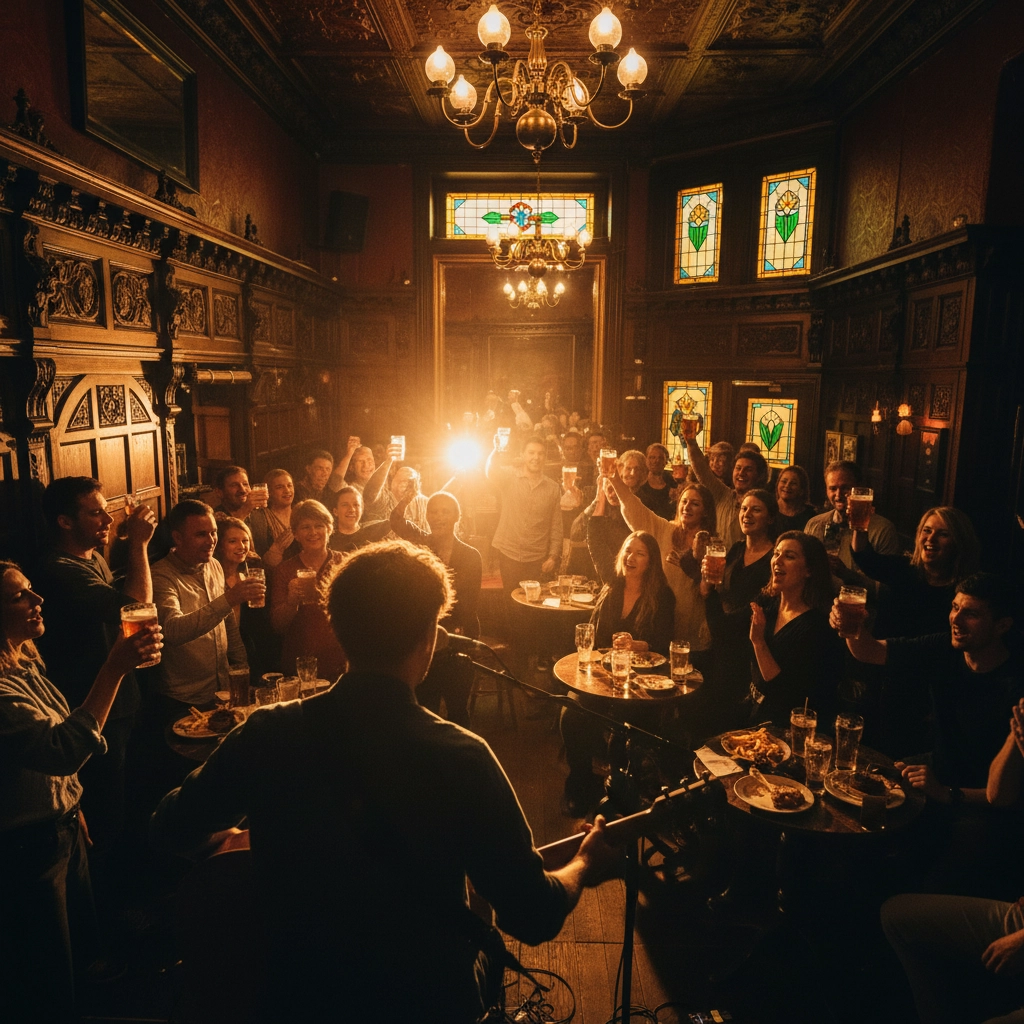
Higher Spending Per Customer
What fascinates me most is how live music changes people's spending behaviour. When I'm performing, I watch as customers who might typically have "just one drink" end up staying for my entire set, ordering multiple rounds, trying menu items they wouldn't normally consider, and often treating friends to drinks they're particularly enjoying.
The numbers support these observations: establishments see a 20-30% increase in per-table spending during live music nights. It's not just about the drinks, either. When people are relaxed and enjoying themselves, they're more inclined to order food, try premium spirits, or splash out on that bottle of wine they've been eyeing.
Keeping Customers Longer
One of the most valuable aspects of live music that often goes unrecognised is how it extends the time customers spend in your venue. I've watched groups arrive early to secure good seats and stay until the very last song, sometimes hours longer than they initially planned.
This extended dwell time is pure gold for pub owners. Every additional 30 minutes a customer stays represents another opportunity for them to order drinks, food, or both. When you multiply this across all your customers on a live music night, the revenue impact becomes substantial.
The Psychology Behind the Spending
There's something magical about live music that recorded playlists simply can't replicate. When I perform, I'm not just playing songs: I'm creating moments, facilitating connections, and building an atmosphere that encourages people to let their guard down and enjoy themselves.
93% of UK venues agree that music creates a better atmosphere, and I've experienced this truth in countless pubs. The energy in a room changes when live music begins. Conversations become more animated, strangers start talking to each other, and there's a shared experience that bonds everyone present.
This enhanced atmosphere does something crucial: it makes customers feel comfortable spending money. When people are enjoying themselves, they perceive better value in their purchases and are less concerned about the cost. They're not just buying drinks; they're investing in an experience.
Building Long-Term Customer Relationships
While the immediate 33% sales boost is impressive, what excites me most about regular live music is its long-term impact on customer loyalty. I've built relationships with audiences over months and years, watching them become regular patrons of the venues where I perform.
Venues with live music see a 20% higher return customer rate than those without entertainment. This makes perfect sense when you consider that a memorable evening of live music creates emotional connections that spreadsheets simply can't capture.
I often have people approach me after performances, not just to chat about the music, but to tell me how much they enjoyed their entire evening: the food, the drinks, the atmosphere, the company they were with. These are the experiences that keep customers coming back, week after week.
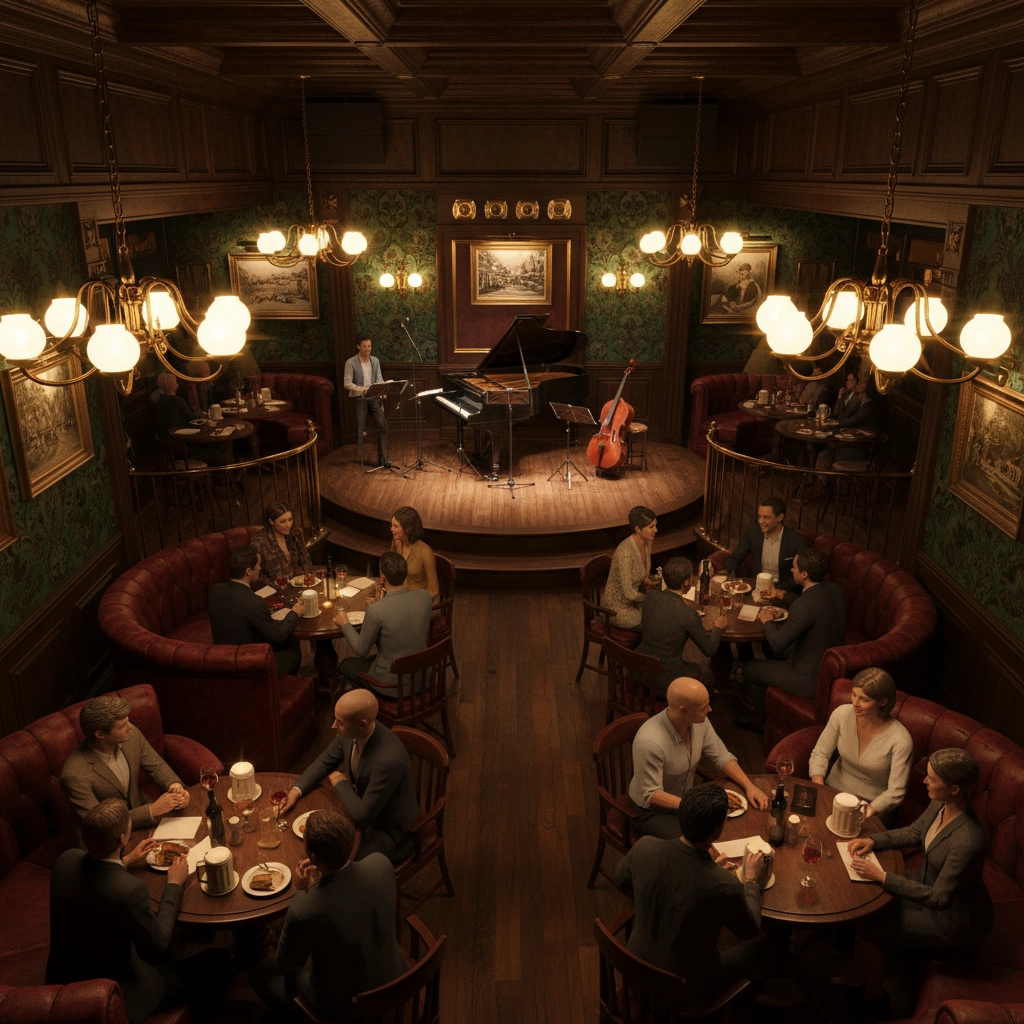
Practical Insights for Maximising Your Investment
Having performed at dozens of different venues, I've observed what works and what doesn't when it comes to live music programming. The most successful pub owners I work with understand that 83.3% of patron spend at live music events comes from food and beverage sales, making the musician's fee a small investment relative to the revenue generated.
Timing and Frequency Matter
The most successful venues I work with have found their sweet spot for live music frequency. Some host weekly acoustic sessions that become community traditions, while others opt for monthly featured performances that create special occasions. The key is consistency: customers need to know when they can find live entertainment at your venue.
Genre Diversity Opens Markets
One advantage I've seen in my versatility as a performer is how different musical styles attract different demographics. Jazz evenings bring in one crowd, folk music another, and classic rock covers yet another. Smart pub owners use this to their advantage, programming varied musical styles to broaden their customer base throughout the week.
Creating Community Hubs
What I find most rewarding about regular pub performances is watching venues transform into community hubs. 82% of people believe venues with live music offer a more welcoming environment, and I've seen this translate into genuine community building.
Regular customers start coming not just for the music, but to see familiar faces, catch up with friends, and be part of something larger than themselves. These venues become the social heart of their communities, and that kind of loyalty is invaluable for business sustainability.
The financial benefits extend far beyond that initial 33% sales increase. When you factor in improved customer retention, positive word-of-mouth marketing, and the differentiation from competitors who don't offer live entertainment, the true value of live music becomes even more compelling.
For pub owners considering live music, my advice is simple: start small, be consistent, and focus on creating experiences rather than just providing background entertainment. The investment in live music isn't just about tonight's takings: it's about building a thriving business that becomes an integral part of your community's social fabric.
The 33% sales boost is just the beginning. What you're really investing in is the transformation of your venue into a place where people want to spend their time, money, and create memories that keep them coming back.
The Venue Owner's Guide to Boosting Customer Experience with Regular Live Entertainment
Over the years, I've performed in countless venues across the UK: from intimate gastropubs to bustling restaurants, private function rooms to corporate events. What I've witnessed time and again is how dramatically the right live entertainment can transform not just the atmosphere, but the entire customer experience. The venues that truly understand this difference are the ones I find myself returning to, and more importantly, the ones where I see familiar faces in the audience week after week.
Having worked with venue owners who've seen their customer satisfaction and revenue soar through strategic live entertainment, I've learned that success isn't just about booking any musician. It's about creating an integrated experience where the music becomes part of your venue's DNA, drawing people in and keeping them coming back for more.
Why Regular Live Entertainment Changes Everything
When I first started performing professionally, I noticed something fascinating about guest behavior. On nights when venues featured live music, customers lingered longer, ordered more drinks, and seemed genuinely happier. Research backs this up: 80% of music fans are more likely to return to a venue where they've had a positive experience, and I can tell you from personal experience that this statistic rings absolutely true.
The magic happens because live entertainment transforms routine visits into memorable events. I've watched guests who initially came for a quick meal discover they're enjoying themselves so much they order another round, try something new from the menu, or even bring friends the following week. Event-driven visits naturally increase customer willingness to experiment with your offerings by about 6% compared to routine visits: something I've observed firsthand when performing at restaurants where the same customers try different dishes on music nights versus their regular dining experiences.
What really excites me is how live music creates anticipation that extends far beyond the performance itself. The customer experience begins when someone sees your entertainment schedule on social media or your website, continues through their arrival and the atmosphere you've created, and extends into the stories they share afterward.
Creating the Perfect Musical Atmosphere
The physical environment plays a crucial role in how guests experience live performances. I've performed in venues where the acoustics were perfect but the seating arrangement made half the audience feel disconnected, and in spaces where thoughtful layout choices made even modest-sized rooms feel intimate and engaging.
From my experience, the most successful venues create flexible spaces that accommodate different types of guests: some prefer standing near the performance area where they can really engage with the music, while others want comfortable seating where they can enjoy the entertainment alongside conversation and dining. The key is balancing these needs without compromising either experience.
Visual elements matter tremendously too. I've noticed how venues that incorporate music-related displays or even simple lighting changes during performances create a more immersive experience. These touches don't need to be elaborate: sometimes it's as simple as dimming the house lights slightly during acoustic sets or displaying song lyrics on screens during more interactive performances.
Getting the Operational Details Right
Having performed while venues serve everything from light bar snacks to full dinner menus, I can tell you that food service during live entertainment requires careful planning. The most successful venues I work with have mastered the art of creating themed menus that complement their entertainment schedule: perhaps featuring British comfort food during folk music nights or sophisticated cocktails during jazz evenings.
The timing of service makes an enormous difference. I've learned to structure my sets with natural breaks that allow bar staff to handle the inevitable wave of orders, and the best venues prepare for these moments by pre-positioning staff and even offering pre-order options for regular guests.
Technology has become increasingly important in managing the complexity of regular entertainment. The venues I most enjoy working with use management systems that keep track of bookings, handle promotion effectively, and ensure smooth communication between all team members. They've also invested in reliable WiFi: something that might seem basic but becomes essential when guests want to share their experiences on social media, essentially providing free marketing for your venue.
The Human Touch That Makes All the Difference
Throughout my performing career, I've observed that the venue staff often make as much difference to the customer experience as the entertainment itself. The warmest welcome can set the tone for an entire evening, while disorganized service or unfriendly interactions can overshadow even the best performance.
I particularly appreciate venues where staff members remember regular guests' preferences and make them feel valued. It's not uncommon for me to perform at a venue where the bartender knows exactly what certain customers will order, or where the host remembers that a couple always prefers a particular table. This level of personalized service transforms casual visitors into loyal patrons.
Clear communication becomes especially important around live entertainment. I've seen venues excel by keeping guests informed about upcoming events, special promotions, and any schedule changes through multiple channels: social media, newsletters, and simple in-venue announcements all play a role in building trust and maintaining engagement.
Building Lasting Customer Relationships
Variety keeps the experience fresh for both performers and audiences. The venues where I've developed the strongest following are those that offer diverse entertainment: perhaps acoustic solo performances one week, duos the next, and themed tribute nights periodically. This approach ensures there's always something new to discover while maintaining the consistency that regular customers come to expect.
I've watched venue owners successfully create tiered experiences that cater to different customer segments. Some guests are perfectly happy with the standard experience, while others appreciate VIP packages that might include reserved seating, dedicated service, or exclusive menu items. These options allow venues to increase revenue while giving customers the freedom to choose their level of engagement.
The feedback loop between venues, performers, and customers creates continuous improvement opportunities. I always encourage venue owners to actively seek input from their guests about entertainment preferences, and I've seen this approach lead to programming decisions that keep audiences genuinely excited about returning.
Beyond Entertainment: Creating Community
What I find most rewarding about regular venue performances is watching communities form around the music. I've seen strangers become friends over shared appreciation for a particular song, couples discover "their place" where they celebrate anniversaries, and families create traditions around monthly visits to hear live music.
This community-building aspect extends your venue's impact far beyond individual transactions. Happy customers become advocates, bringing friends and family members who might never have discovered your establishment otherwise. They share photos and stories on social media, write positive reviews, and create the kind of organic marketing that no advertising budget can match.

The most successful venues I work with understand that they're not just serving food and drinks during entertainment: they're creating experiences that become part of their customers' personal stories. When someone can say "that's where we heard our favorite song performed live" or "we've been going there for music night for three years now," you've achieved something much more valuable than a simple transaction.
The Competitive Edge of Consistent Excellence
In today's competitive hospitality landscape, regular live entertainment offers a distinctive advantage that's difficult for competitors to replicate quickly. It requires investment in the right performers, staff training, operational adjustments, and ongoing commitment to quality: but the rewards justify the effort.
The venues where I perform regularly have become destination locations rather than convenient stops. Their customers plan visits around the entertainment schedule, arrive early to secure preferred seating, and often extend their stays well beyond the music. This transformation from casual dining spot to beloved local institution represents the ultimate success in customer experience enhancement.
When every element: from the initial marketing that builds anticipation through seamless logistics that make attendance effortless, to memorable performances that give guests stories to share: works in harmony, the result is a venue that customers prioritize and recommend enthusiastically to others. That's the kind of establishment where I'm always honored to perform, and the kind of success story that proves the transformative power of well-executed live entertainment.
The Venue Owner's Guide to Boosting Customer Experience with Regular Live Entertainment
Over the years, I've performed in countless venues across the UK: from intimate gastropubs to bustling restaurants, private function rooms to corporate events. What I've witnessed time and again is how dramatically the right live entertainment can transform not just the atmosphere, but the entire customer experience. The venues that truly understand this difference are the ones I find myself returning to, and more importantly, the ones where I see familiar faces in the audience week after week.
Having worked with venue owners who've seen their customer satisfaction and revenue soar through strategic live entertainment, I've learned that success isn't just about booking any musician. It's about creating an integrated experience where the music becomes part of your venue's DNA, drawing people in and keeping them coming back for more.
Why Regular Live Entertainment Changes Everything
When I first started performing professionally, I noticed something fascinating about guest behavior. On nights when venues featured live music, customers lingered longer, ordered more drinks, and seemed genuinely happier. Research backs this up: 80% of music fans are more likely to return to a venue where they've had a positive experience, and I can tell you from personal experience that this statistic rings absolutely true.
The magic happens because live entertainment transforms routine visits into memorable events. I've watched guests who initially came for a quick meal discover they're enjoying themselves so much they order another round, try something new from the menu, or even bring friends the following week. Event-driven visits naturally increase customer willingness to experiment with your offerings by about 6% compared to routine visits: something I've observed firsthand when performing at restaurants where the same customers try different dishes on music nights versus their regular dining experiences.
What really excites me is how live music creates anticipation that extends far beyond the performance itself. The customer experience begins when someone sees your entertainment schedule on social media or your website, continues through their arrival and the atmosphere you've created, and extends into the stories they share afterward.
Creating the Perfect Musical Atmosphere
The physical environment plays a crucial role in how guests experience live performances. I've performed in venues where the acoustics were perfect but the seating arrangement made half the audience feel disconnected, and in spaces where thoughtful layout choices made even modest-sized rooms feel intimate and engaging.
From my experience, the most successful venues create flexible spaces that accommodate different types of guests: some prefer standing near the performance area where they can really engage with the music, while others want comfortable seating where they can enjoy the entertainment alongside conversation and dining. The key is balancing these needs without compromising either experience.
Visual elements matter tremendously too. I've noticed how venues that incorporate music-related displays or even simple lighting changes during performances create a more immersive experience. These touches don't need to be elaborate: sometimes it's as simple as dimming the house lights slightly during acoustic sets or displaying song lyrics on screens during more interactive performances.
Getting the Operational Details Right
Having performed while venues serve everything from light bar snacks to full dinner menus, I can tell you that food service during live entertainment requires careful planning. The most successful venues I work with have mastered the art of creating themed menus that complement their entertainment schedule: perhaps featuring British comfort food during folk music nights or sophisticated cocktails during jazz evenings.
The timing of service makes an enormous difference. I've learned to structure my sets with natural breaks that allow bar staff to handle the inevitable wave of orders, and the best venues prepare for these moments by pre-positioning staff and even offering pre-order options for regular guests.
Technology has become increasingly important in managing the complexity of regular entertainment. The venues I most enjoy working with use management systems that keep track of bookings, handle promotion effectively, and ensure smooth communication between all team members. They've also invested in reliable WiFi: something that might seem basic but becomes essential when guests want to share their experiences on social media, essentially providing free marketing for your venue.
The Human Touch That Makes All the Difference
Throughout my performing career, I've observed that the venue staff often make as much difference to the customer experience as the entertainment itself. The warmest welcome can set the tone for an entire evening, while disorganized service or unfriendly interactions can overshadow even the best performance.
I particularly appreciate venues where staff members remember regular guests' preferences and make them feel valued. It's not uncommon for me to perform at a venue where the bartender knows exactly what certain customers will order, or where the host remembers that a couple always prefers a particular table. This level of personalized service transforms casual visitors into loyal patrons.
Clear communication becomes especially important around live entertainment. I've seen venues excel by keeping guests informed about upcoming events, special promotions, and any schedule changes through multiple channels: social media, newsletters, and simple in-venue announcements all play a role in building trust and maintaining engagement.
Building Lasting Customer Relationships
Variety keeps the experience fresh for both performers and audiences. The venues where I've developed the strongest following are those that offer diverse entertainment: perhaps acoustic solo performances one week, duos the next, and themed tribute nights periodically. This approach ensures there's always something new to discover while maintaining the consistency that regular customers come to expect.
I've watched venue owners successfully create tiered experiences that cater to different customer segments. Some guests are perfectly happy with the standard experience, while others appreciate VIP packages that might include reserved seating, dedicated service, or exclusive menu items. These options allow venues to increase revenue while giving customers the freedom to choose their level of engagement.
The feedback loop between venues, performers, and customers creates continuous improvement opportunities. I always encourage venue owners to actively seek input from their guests about entertainment preferences, and I've seen this approach lead to programming decisions that keep audiences genuinely excited about returning.
Beyond Entertainment: Creating Community
What I find most rewarding about regular venue performances is watching communities form around the music. I've seen strangers become friends over shared appreciation for a particular song, couples discover "their place" where they celebrate anniversaries, and families create traditions around monthly visits to hear live music.
This community-building aspect extends your venue's impact far beyond individual transactions. Happy customers become advocates, bringing friends and family members who might never have discovered your establishment otherwise. They share photos and stories on social media, write positive reviews, and create the kind of organic marketing that no advertising budget can match.
The most successful venues I work with understand that they're not just serving food and drinks during entertainment: they're creating experiences that become part of their customers' personal stories. When someone can say "that's where we heard our favorite song performed live" or "we've been going there for music night for three years now," you've achieved something much more valuable than a simple transaction.
The Competitive Edge of Consistent Excellence
In today's competitive hospitality landscape, regular live entertainment offers a distinctive advantage that's difficult for competitors to replicate quickly. It requires investment in the right performers, staff training, operational adjustments, and ongoing commitment to quality: but the rewards justify the effort.
The venues where I perform regularly have become destination locations rather than convenient stops. Their customers plan visits around the entertainment schedule, arrive early to secure preferred seating, and often extend their stays well beyond the music. This transformation from casual dining spot to beloved local institution represents the ultimate success in customer experience enhancement.
When every element: from the initial marketing that builds anticipation through seamless logistics that make attendance effortless, to memorable performances that give guests stories to share: works in harmony, the result is a venue that customers prioritize and recommend enthusiastically to others. That's the kind of establishment where I'm always honored to perform, and the kind of success story that proves the transformative power of well-executed live entertainment.
Why Everyone Is Talking About Personalized Live Music (And Your Event Needs It Too)
Over the past few years, I've noticed something remarkable happening at the events I perform at. People aren't just looking for background music anymore: they're seeking something deeper, something that feels uniquely theirs. This shift toward personalized live music has become one of the most exciting developments I've witnessed in my career as a performer.
When I started out, most gigs followed a fairly predictable pattern. You'd show up, play your standard setlist, and call it a night. But today's events are different. Hosts want music that tells their story, reflects their personality, and creates moments that their guests will remember long after the last song fades.
What Personalized Live Music Really Means
Personalized live music goes far beyond simply taking song requests: though that's certainly part of it. It's about creating a musical experience that's tailored specifically to your event, your guests, and your vision. When I work with clients now, we spend time discussing not just what songs they'd like to hear, but what feelings they want to evoke, what memories they hope to create, and how the music can support the overall atmosphere they're trying to build.
I remember a wedding I performed at last summer where the couple wanted to incorporate songs that represented different chapters of their relationship. We worked together to create a timeline through music: from the song playing when they first met, to the tune that was on the radio during their first road trip together, right through to the acoustic version of their first dance song. Each piece told part of their story, and you could feel the emotional connection ripple through the entire reception.
This level of customization creates something magical that you simply can't achieve with a DJ playing pre-recorded tracks or even a band working from a fixed setlist. It's music with meaning, purpose, and personal connection.
The Art of Reading the Room
One of the most rewarding aspects of providing personalized live music is the ability to adapt in real-time. Every audience is different, and what works perfectly for one group might fall flat with another. The beauty of live performance is that I can gauge the energy in the room and adjust accordingly.
Just last month, I was performing at a corporate event that started quite formally. My initial plan was to stick with sophisticated jazz standards and acoustic covers. But as the evening progressed and people began to relax, I could sense they were ready for something more upbeat. I gradually shifted toward more contemporary songs and even took a few requests from the floor. By the end of the night, we had people singing along to classic rock anthems: something that would have been completely inappropriate earlier in the evening.
This responsiveness is what sets personalized live music apart from other entertainment options. A playlist can't read body language or sense when it's time to shift gears. A live performer can, and that ability to adapt creates an experience that feels organic and perfectly suited to the moment.
Creating Connection Through Versatility
Throughout my years of performing, I've built a repertoire that spans multiple decades and genres precisely because I understand how important versatility is in creating personalized experiences. Whether someone wants to hear The Beatles, Ed Sheeran, Johnny Cash, or Oasis, I've found that having this breadth allows me to connect with different generations and musical tastes within a single event.
I often think about a golden anniversary party I played where four generations of the same family were celebrating together. The grandchildren wanted contemporary pop hits, the parents were hoping for some classic rock, and the grandparents had requested songs from the 1950s and 60s. Rather than trying to please everyone with a generic approach, we created musical segments that honored each generation while still flowing together as a cohesive experience.
The grandmother later told me that hearing her favorite song from 1962 performed live brought tears to her eyes, while her teenage granddaughter was amazed that I could play her current favorite artist acoustically. These are the moments that remind me why personalized live music has become so important to people: it creates bridges between different worlds within a single event.
The Intimate Factor
There's something uniquely intimate about live acoustic performance that recorded music simply cannot replicate. When I'm performing with just my voice and guitar, there's a vulnerability and authenticity that draws people in. Guests often tell me they feel like they're part of something special, something that couldn't happen anywhere else.
This intimacy becomes even more powerful when the music is personalized. I've had couples request songs that hold deep personal meaning, only to have their guests surprised by the emotional depth of hearing these familiar tunes performed live and acoustically. The stripped-down nature of solo performance allows the lyrics and melody to shine through in ways that might get lost in a full band arrangement or recorded version.
Supporting Your Event's Unique Story
Every event has its own personality, and personalized live music should enhance and support that story rather than overshadow it. When I'm working with event planners and hosts, I always encourage them to think about what they want their guests to feel and experience. Are we creating an elegant backdrop for conversation? Building energy for celebration? Providing emotional support for meaningful moments?
I've learned that the most successful personalized music experiences happen when the performer becomes part of the event's narrative rather than just an add-on entertainment feature. This might mean learning a special song that has significance to the host, adapting familiar tunes to match the event's theme, or even incorporating elements that reflect the venue's character or the season.
The Professional Advantage
Working with live musicians for personalized entertainment also brings a level of professionalism and reliability that many hosts find reassuring. Experienced performers understand the importance of punctuality, appropriate dress, quality equipment, and seamless transitions between different parts of an event.
I always come prepared with backup plans and the flexibility to handle unexpected changes. If the timeline shifts, if we need to extend or shorten a performance, if there's a special announcement that needs musical support: these are the moments where having a professional live performer becomes invaluable.
Moreover, there's something to be said for supporting local artists and contributing to your community's cultural scene. When you choose personalized live music, you're not just getting entertainment: you're investing in artistry and helping to keep live performance thriving in your area.
Looking Toward the Future
As I look ahead, I can see this trend toward personalized experiences continuing to grow. People are increasingly seeking authenticity in a world that often feels mass-produced and impersonal. Live music, especially when it's tailored to their specific needs and preferences, offers something genuine and unrepeatable.
The events that leave the strongest impressions are those where every element feels intentional and connected. Personalized live music plays a crucial role in creating these cohesive, memorable experiences that guests will talk about for years to come.
Whether you're planning a wedding, anniversary, corporate event, or private celebration, consider how personalized live music might enhance your vision. It's not just about having someone play songs: it's about creating a soundtrack for your story, performed live with all the energy, adaptability, and human connection that only comes from sharing music in the moment.
The conversation around personalized live music isn't just industry talk: it reflects a genuine desire for more meaningful, connected experiences. And in my experience, there's nothing quite like live music to bring people together and create those moments that become treasured memories.
If you're curious about how personalized live music might work for your event, I'd encourage you to reach out and explore the possibilities. Every event is unique, and the music should be too.
Does Live Music Really Boost Restaurant Sales? Here's What UK Venue Data Shows
After performing at countless pubs, restaurants, and bars across the UK over the years, I've witnessed firsthand the transformation that happens when live music fills a venue. The atmosphere shifts, conversations flow more freely, and there's an energy that recorded music simply cannot replicate. But I've always wondered: beyond the intangible benefits: does live music actually translate into real business results for venue owners?
Recently, some fascinating data has emerged that finally answers this question with concrete numbers, and the results are more impressive than even I expected.
The Numbers Don't Lie: Live Music Delivers Real Results
The UK's first comprehensive Live Music Index, conducted by CGA by NIQ in partnership with GigPig, surveyed over 500 venues and more than 1,000 artists to measure something that's been long suspected but never properly quantified. What they discovered validates what many of us in the industry have experienced: live music increases sales by 33%, boosts footfall by 36%, and drives average spend per visit up by an impressive 64%.
For individual managed pubs or bars, this translates to an average annual sales increase of £107,000. That's not pocket change: that's the kind of revenue boost that can transform a struggling venue into a thriving community hub.
As someone who's performed in venues of all sizes, from intimate wine bars to bustling gastropubs, these figures resonate deeply with my own observations. I've watched managers' faces light up when they see their tills after a particularly engaging evening of live music. There's something about the communal experience of live performance that encourages people to stay longer, order another round, and truly settle in for the evening.
Different Venues, Different Rewards
The research reveals that not all venues benefit equally from live music, which aligns with my experience performing across various settings. Bars see the biggest potential uplift, with an expected annual revenue increase of £240,000. This makes perfect sense to me: bars are inherently social spaces where music can create the perfect backdrop for conversation and connection.
Restaurants, while still benefiting significantly, tend to see more modest increases. Having performed dinner sets in countless restaurants, I understand why. The music needs to complement rather than compete with the dining experience. It's about creating ambiance that enhances conversation without overwhelming it: a delicate balance that requires understanding your audience and adjusting accordingly.
The Current Landscape: Live Music is Becoming Essential
What particularly strikes me about this research is that nearly 73% of surveyed venues already host live music at least once per week. This isn't just about weekend entertainment anymore: live music has evolved into a regular business strategy for venues looking to differentiate themselves in an increasingly competitive market.
This shift reflects something I've noticed throughout my career. When I started performing, live music was often treated as a special occasion. Now, venue owners understand it's a vital tool for creating regular customer loyalty and driving consistent revenue.
The commitment to expanding live music programming is equally impressive, with 87% of hospitality venues planning to increase their live music offerings. Their primary motivations align perfectly with what I've observed: improving atmosphere and customer satisfaction (87%), increasing revenue and footfall (79%), and supporting local artists (48%).
Investment and Returns: Making Live Music Work
One aspect of the research that particularly caught my attention was the investment side of the equation. Dean Cammack from Manchester's One Eight Six venue reports spending around £15,000 weekly on artist bookings alone, plus substantial investments in sound systems, staging, and lighting equipment.
This level of investment might seem daunting to smaller venues, but it highlights an important point I always discuss with venue owners: quality matters. Having performed with everything from basic PA systems to professional-grade equipment, I can tell you that the investment in proper sound and staging pays dividends in audience experience and, ultimately, customer satisfaction.
For smaller venues working with more modest budgets, the key is finding performers who understand how to work within their constraints while still delivering a memorable experience. This is where solo performers and acoustic acts often shine: we can adapt to various spaces and sound limitations while still creating that essential connection with the audience.
The Bigger Picture: A £2.4 Billion Opportunity
Perhaps the most striking finding from the research is the untapped potential across the industry. If all UK venues with the capacity to host live music actually did so, the sector could generate up to £2.4 billion in additional revenue for the hospitality industry.
This represents a massive opportunity, not just for individual venues but for the entire ecosystem of musicians, sound engineers, booking agents, and support staff who make live music possible. As someone who's been part of this community for years, it's encouraging to see concrete evidence of our collective economic impact.
Beyond the Venue: The Wider Economic Impact
The influence of live music extends far beyond individual venue sales. In 2024, consumer spending driven by live music across the UK reached a record £6.7 billion, representing a 9.5% year-on-year increase. The sector now employs more than 234,000 people on permanent and casual bases: an 11.7% increase compared to pre-pandemic levels in 2019.
These numbers represent real people: musicians like myself, sound technicians, venue staff, and countless others who depend on the live music ecosystem for their livelihoods. It's gratifying to see that our industry not only survives but thrives, contributing meaningfully to the broader economy.
What This Means for Venue Owners
If you're a venue owner considering adding live music to your offering, this data should provide confidence that you're making a sound business decision. However, success isn't guaranteed simply by booking any performer. In my experience, the venues that see the most dramatic improvements are those that:
- Choose performers who match their brand and customer base
- Invest in adequate sound equipment and staging
- Treat live music as part of their overall customer experience strategy
- Build relationships with reliable, professional performers
- Create an atmosphere where music enhances rather than dominates the space
The Personal Touch That Makes the Difference
What the data doesn't capture: but what I witness every time I perform: is the human element that makes live music so powerful. It's the moment when a shy couple starts singing along to a familiar song, or when a group of strangers begins chatting because they all know the words to the same chorus. It's these connections, these shared experiences, that turn one-time visitors into regular customers.
As a solo performer, I've learned that my role extends beyond simply providing background music. I'm helping to create memories, facilitate connections, and contribute to the unique character that keeps people coming back to their local pub or restaurant. The financial benefits reflected in this research are really just the measurable outcome of something much more profound: the human need for shared musical experiences.
The data is clear: live music isn't just an expense or a luxury for hospitality venues: it's a proven revenue driver that creates lasting customer loyalty. For those of us who've dedicated our lives to performing, it's wonderful to see concrete evidence of what we've always known in our hearts: live music makes everything better.
How to Choose the Perfect Solo Performer for Your Event (5-Step Guide)
Having spent years performing at countless events across the UK, I've witnessed firsthand how the right solo performer can transform an ordinary gathering into something truly magical. Whether it's a wedding where guests are moved to tears during the first dance, or a corporate event where colleagues connect over shared musical memories, the power of live music is undeniable.
But I've also seen events where the musical choice didn't quite hit the mark – not because the performer wasn't talented, but because there wasn't enough thought given to matching the right artist with the specific event needs. After performing at hundreds of venues and speaking with countless event organisers, I've identified five essential steps that will help you choose the perfect solo performer for your occasion.
Step 1: Define Your Event's Emotional Journey
Before you start browsing performer profiles or watching demonstration videos, take a moment to really think about the story you want your event to tell. I always ask my clients: "What do you want people to feel when they walk in, and how do you want them to feel when they leave?"
Every event has its own personality. A golden wedding anniversary celebration calls for something completely different than a product launch or a milestone birthday party. During my early years performing, I learned this lesson the hard way when I brought my usual upbeat repertoire to what turned out to be a very intimate, reflective memorial service. The family was gracious, but I realised that understanding the emotional landscape of an event is absolutely crucial.
Consider the flow of your event too. Will you need gentle background music during a reception, something more energetic for dancing, or perhaps a mix throughout the evening? Think about the moments that matter most – is there a special song for a first dance, a favourite tune that holds meaning, or a particular era of music that resonates with your guests?
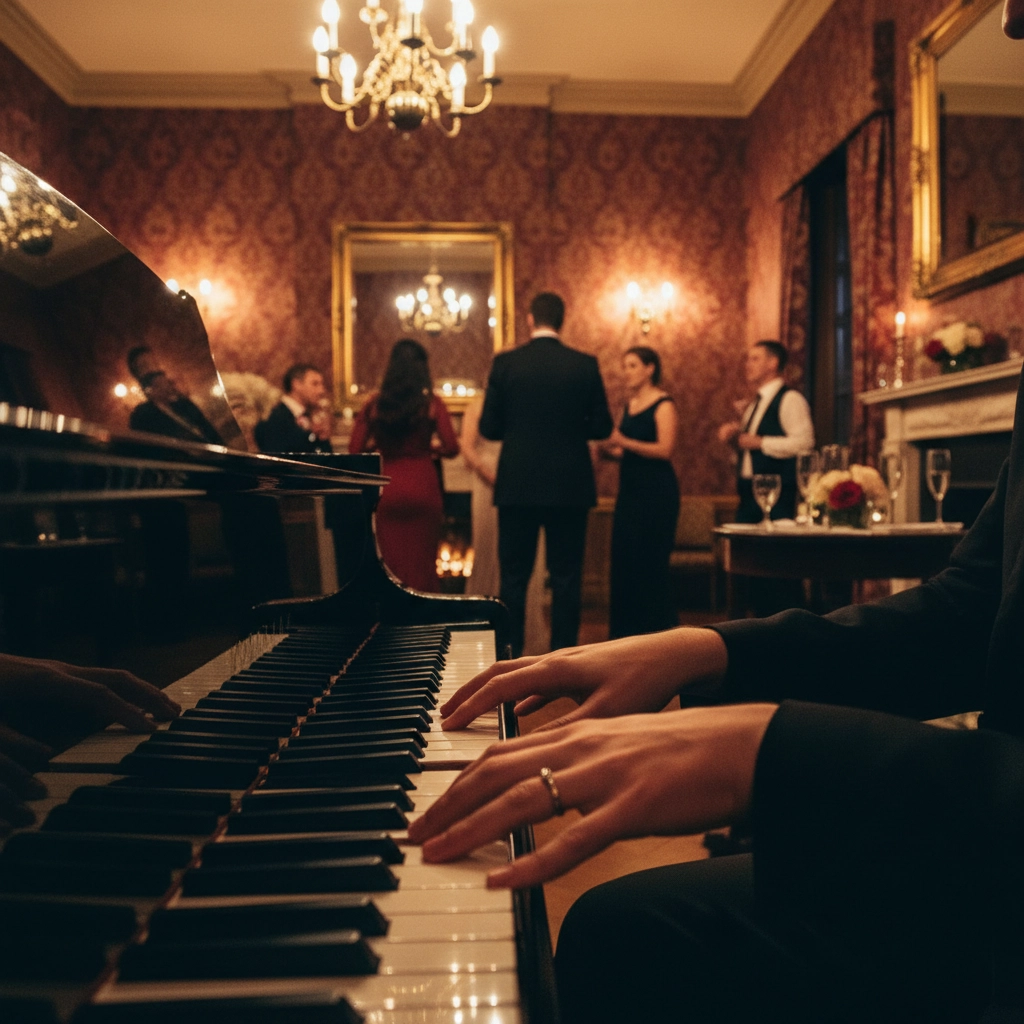
Step 2: Assess Your Practical Framework
Understanding Your Space and Setup
The venue itself will guide many of your decisions. I've performed in everything from grand hotel ballrooms to cosy pub back rooms, and each space brings its own opportunities and challenges. Solo performers are naturally suited to more intimate settings where the personal connection between artist and audience can really shine through.
Consider the acoustics of your space. A solo acoustic guitarist might be perfect for a garden party, but if you're planning an event in a large hall with high ceilings, you might need someone with more robust sound equipment or a stronger vocal presence. Don't forget practical details like access to power points, protection from weather for outdoor events, and sufficient space for equipment setup.
Budget Planning That Makes Sense
From my experience, solo performers typically range from £200 to £500 for most events, though this varies considerably based on experience, travel distance, and specific requirements. I always encourage clients to think about value rather than just cost. A slightly higher investment in the right performer often pays dividends in terms of guest satisfaction and memorable moments.
When discussing budget with potential performers, be upfront about your range. Most professional musicians will work with you to find a package that fits, whether that means adjusting the performance duration, the complexity of setup, or the extent of repertoire preparation needed.
Step 3: Match Musical Style to Your Vision
The beauty of solo performance lies in its versatility, but different solo artists bring completely different energies to an event. As someone who's adapted my style for everything from classical recitals to modern pop celebrations, I can tell you that finding the right fit is about more than just musical genre.
A jazz pianist creates a sophisticated, cocktail-party atmosphere that encourages conversation and mingling. A solo guitarist might offer anything from gentle fingerpicking perfect for intimate moments to more energetic strumming that gets people moving. Vocalists can span the entire emotional spectrum – from tender ballads that create poignant moments to crowd-pleasing sing-alongs that unite a room.
Look beyond just the instrument or voice. Listen to recordings, watch videos if available, and pay attention to the performer's stage presence. Do they interact warmly with audiences? Can they read a room and adjust their energy accordingly? These soft skills often make the difference between good entertainment and truly memorable performances.
Research potential performers thoroughly. Check their websites, social media presence, and any available testimonials from previous events. Many of us have recordings from actual events rather than just studio sessions, which gives you a better sense of how we perform in live settings.
Step 4: Communicate Your Vision Clearly
Once you've identified potential performers, clear communication becomes your most important tool. I always appreciate clients who take the time to really explain their vision, share details about their guests, and discuss any special requirements or requests.
Essential Conversation Points
Discuss your guest demographic – are they likely to appreciate classic standards, modern hits, or perhaps a mix of both? Share any special song requests early in the planning process. While most professional performers have extensive repertoires, learning new material or creating specific arrangements takes time.
Talk about the practical details: expected performance duration, whether you'd like breaks filled with recorded music, and any specific moments where music will be particularly important. For weddings, this might be the ceremony processional and recessional, or the first dance. For corporate events, perhaps there are key moments during presentations where music should fade in or out.
Don't forget to discuss dress code and presentation. Most performers are happy to adapt their attire to match your event's style, but it's important to communicate your expectations clearly.
Step 5: Ensure Professional Standards and Peace of Mind
Before finalising your booking, verify that your chosen performer meets professional standards that protect both you and your guests. This includes checking that they carry appropriate public liability insurance – essential for any professional performer working at private events or commercial venues.
If the performer uses electronic equipment, ensure it's been PAT tested for electrical safety. While this might seem like a minor detail, it's often required by venues and demonstrates the performer's commitment to professionalism.
Finalising the Details
Document everything in writing. A clear agreement should cover performance times, fees, payment terms, equipment requirements, and what happens in case of illness or emergency. Most professional performers will have backup plans and might even maintain a network of trusted colleagues who can step in if needed.
Discuss setup and breakdown times. Solo performers typically need less time than full bands, but we still need adequate time to set up equipment, do sound checks, and ensure everything is working properly before guests arrive.
Creating Lasting Memories Through Music
Choosing the right solo performer is ultimately about creating an atmosphere where your guests feel comfortable, engaged, and emotionally connected to the occasion. The intimate nature of solo performance allows for spontaneous moments – perhaps a guest request that becomes the highlight of the evening, or an impromptu sing-along that brings everyone together.
Throughout my years performing, the events I remember most fondly are those where the organiser took time to really think through their musical needs. These clients understood that live music isn't just background noise or entertainment – it's an integral part of the emotional fabric of their celebration.
Whether you're planning a wedding that celebrates a lifetime of love, a corporate event that recognises achievement, or a personal celebration that marks a special milestone, the right musical choice will enhance every moment and create memories that last long after the final note fades.
Take your time with this decision. Listen to your instincts, ask questions, and choose someone whose passion for music matches your enthusiasm for your event. When everything comes together properly, the magic of live solo performance will elevate your occasion in ways you might never have imagined possible.